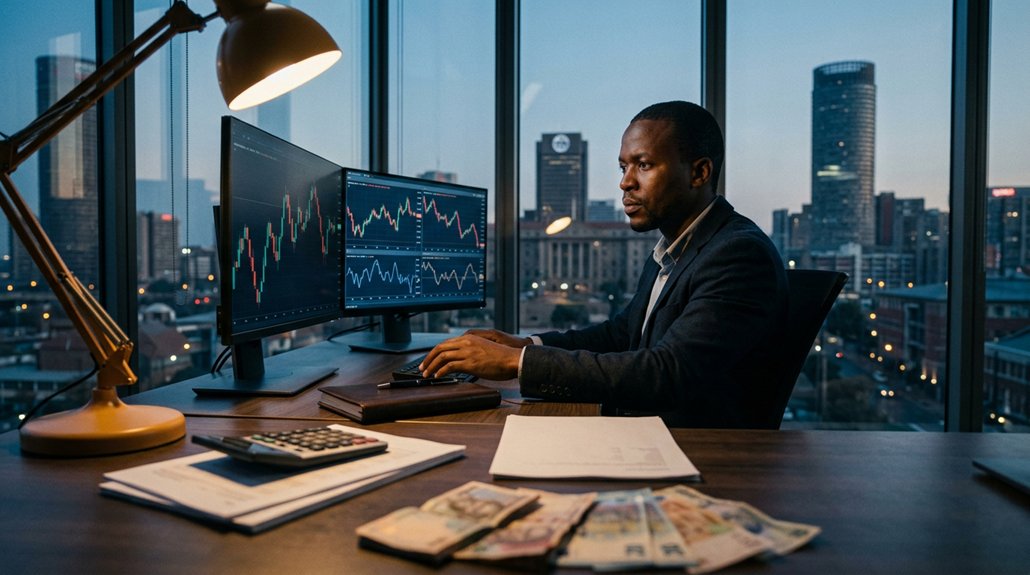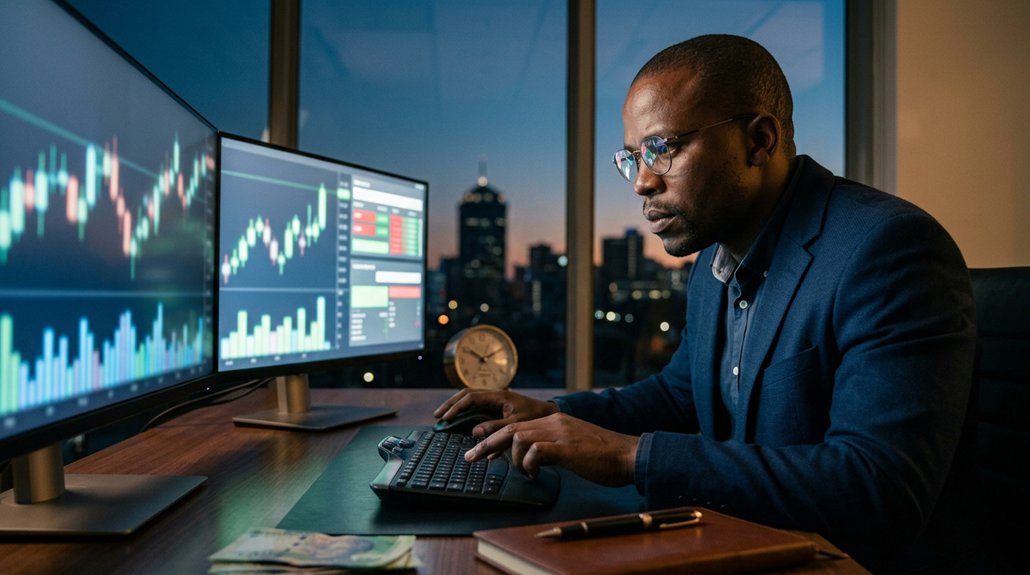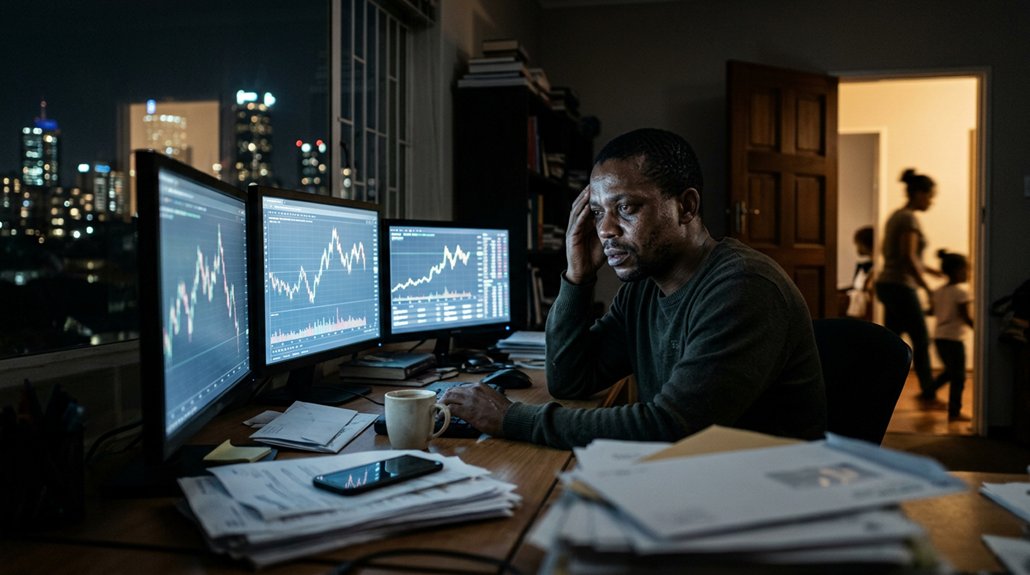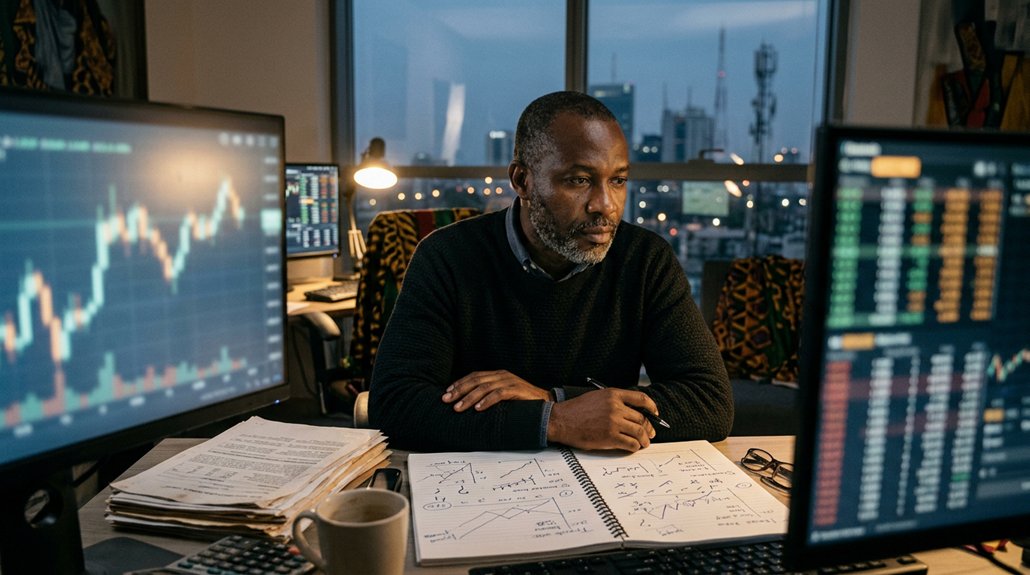
In the fast-moving world of currency and commodity trading, a single screenshot often tells only half the story. A trader who buys the naira, the rand, or gold futures may remember a decision one way, but the chart alone won't show hesitation, last-minute changes, or the emotions behind the click. That's why more traders are turning to screen recording instead of relying only on written journals.
The method starts before the trade itself. Traders use tools like OBS to capture the full session, starting before chart analysis begins and ending after the trade is closed. This keeps the pre-entry context intact—something a single post-trade image can't offer. The chart, order-entry window, and other panels all appear on screen, giving a complete record of what the trader saw and did.

Audio narration adds another layer. Speaking the trade plan out loud while it unfolds captures the entry rationale, stop levels, and target prices in real time. It also reveals emotional states—fear, boredom, or overconfidence—that often creep into decisions. For traders watching commodities or African currency pairs during volatile central bank announcements, this kind of detail matters. A rate decision from the South African Reserve Bank or a shift in oil prices affecting the Nigerian naira can trigger split-second choices that are easy to misremember later.
Cursor movement and pauses near order controls can also show up on playback, exposing hesitation that wouldn't appear in a journal entry. Recording order placements, edits, and exits creates a factual account of execution, not just intention.
Pairing video with written trade records—entry and exit times, size, and risk—makes review more useful. Clips organized by date or instrument are easier to search later. During review sessions, traders are encouraged to focus on their biggest wins, biggest losses, and trades that felt unusual, rather than rewatching every single trade. This practice complements the broader discipline of keeping a Forex trading journal, which emphasizes documenting trades and analyzing performance to systematically improve strategy over time.
The goal isn't just documentation. It's accuracy. As African markets continue reacting to global rate decisions and commodity swings, traders who can honestly review what they did—not just what they remember—may gain a clearer edge over time.