
Six warning signs separate casual forex trading from a habit that's starting to cause harm. Analysts who track problem-gambling patterns say forex trading can slide from a normal hobby into something far more damaging, often without the trader noticing the shift.
Forex trading can quietly shift from harmless hobby to harmful habit, often before the trader even notices.
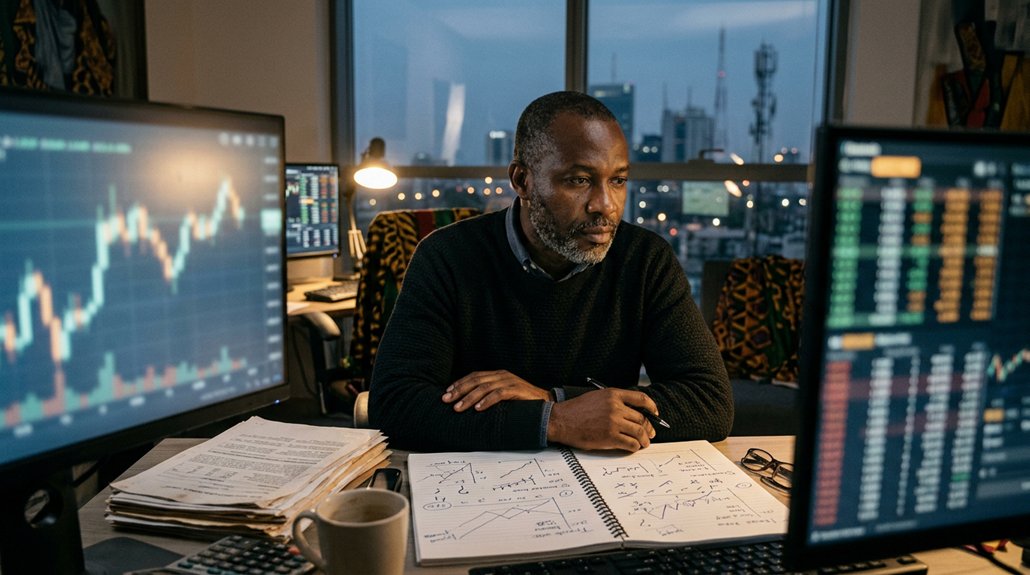
The first sign shows up in the mind. Traders start thinking constantly about currency pairs, entry points, and the next move. They check prices obsessively, even during work or family time. When trading time or money grows beyond what someone originally planned, that's a signal worth taking seriously, regardless of whether the account shows a profit.

Control is the second area to watch. Repeated attempts to cut back on trading, followed by failure to do so, mirror patterns seen in gambling-addiction screening tools. Irritability when trying to stop, or trading longer than intended, suggests limits aren't holding anymore. Increasing stake sizes just to feel the same rush is another red flag.
Losses often trigger the riskiest behavior. Chasing losses, rather than stepping back to reassess, tends to pull traders deeper in. Borrowing money to keep trading, or using cash meant for rent and groceries, can quickly spiral into debt. This matters especially for leveraged spot forex products, which carry real risk of fast losses—a point regulators like the FCA highlight when requiring firms to disclose what percentage of retail accounts lose money.
Secrecy is another telltale sign. Hiding trading activity from family, lying about losses, or guarding phones and bank statements all point toward concealment. This secrecy can delay help from people who might otherwise notice the problem.
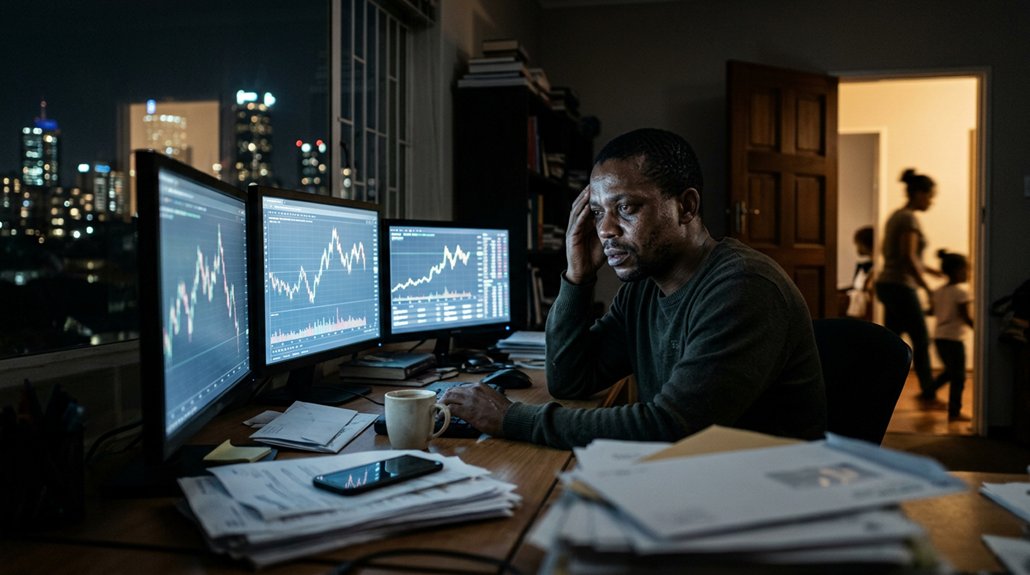
Work and relationships often suffer next. Missed deadlines, workplace conflict, and withdrawal from friends and social activities all suggest trading has started squeezing out other parts of life.
Finally, mood and health can decline. Anxiety, guilt, poor sleep, and trading as an escape from stress are signs the habit has moved beyond simple investing. When these patterns take hold, seeking professional help becomes an important step toward regaining control before the damage deepens.
For traders across African markets, where currency volatility already adds pressure, recognizing these patterns early matters. Markets will keep moving—but staying aware of personal limits matters just as much as watching the charts.