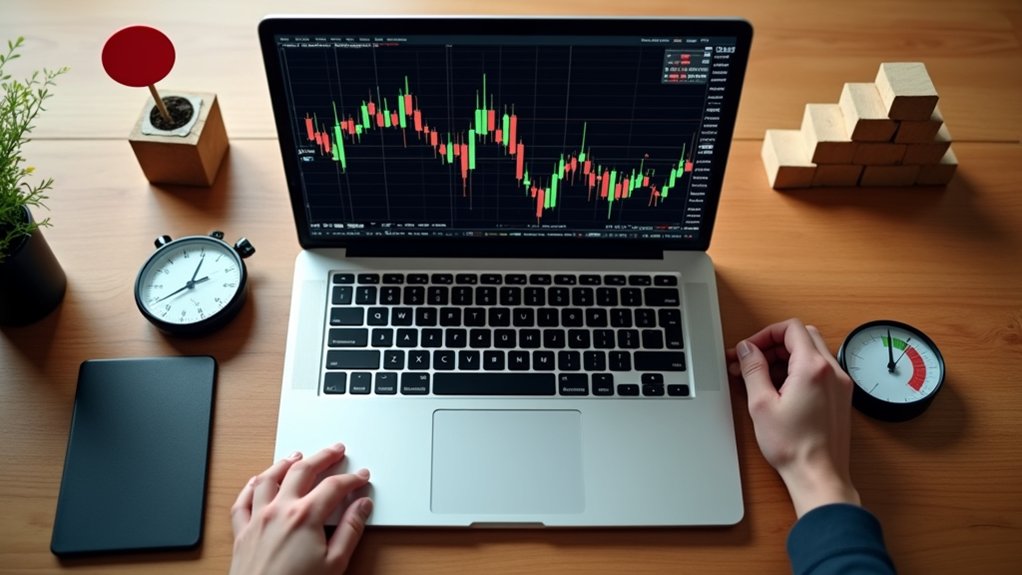

Across global markets, traders are turning to a type of contract that never expires: the perpetual future. Unlike traditional futures, perpetual contracts, or “perps,” carry no fixed expiry date. Traders can hold positions open until they choose to close them, or until a venue forces a liquidation. These contracts track an underlying asset or index without requiring ownership or delivery of that asset. Long positions gain when prices rise, while short positions gain when prices fall.
Because perps don't expire, they rely on periodic funding payments rather than a settlement event to keep prices anchored near the index. The index price is a reference drawn from spot markets or oracle feeds, while the mark price serves as a fair-value benchmark used for profit calculations, margin, and liquidation triggers.

Funding is simply a payment exchanged between long and short holders. When funding is positive, longs typically pay shorts; when negative, shorts pay longs. These payments happen at intervals that vary by venue, with some using hourly cycles and others every eight hours.
Leverage is central to how perps work. It lets traders control larger positions than their posted collateral would normally allow, amplifying both gains and losses. Initial margin opens a position, while maintenance margin keeps it running. If equity falls below that maintenance threshold, the venue can liquidate the position. Using mark prices for these checks helps reduce the impact of a single unusual trade, though liquidation risk never disappears entirely.
Leverage limits differ across platforms. Coinbase documentation lists a 10x maximum for supported perps, while Binance's TradFi-linked listings allow up to 20x. Costs also vary, since trading fees, funding, spreads, and slippage all shape the final outcome for traders.
Crypto exchanges have expanded their offerings beyond digital assets, now listing perps tied to equities and ETFs, though trading hours and terms differ by product. Binance Futures offers USDⓈ-margined perpetual contracts covering both crypto and TradFi-linked instruments. Kraken also provides perpetual futures for eligible users. Some traders exploring these markets also compare regulated alternatives like forex and CFD brokers, since brokers such as AvaTrade (Official Site 🔗) offer different trading conditions and risk structures for African traders seeking leveraged exposure.
As volatility persists across currencies and commodities, including African markets watching dollar strength and commodity swings, traders are likely to keep monitoring funding rates and leverage rules closely, since these mechanics directly shape risk during sharp price moves.