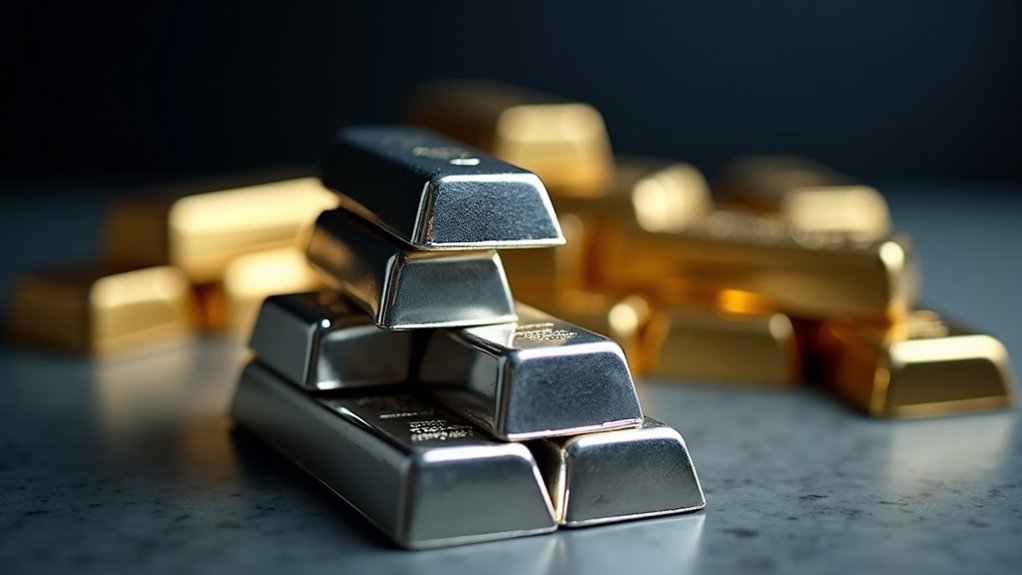
Silver just blasted through $50 an ounce for the first time in decades, and traders are losing their minds. The metal hit $50.79 on November 11, 2025, its highest level since October 20. Intraday prices even tickled $51 before pulling back slightly. That's a 3% single-day jump on massive volume, pushing silver up over 65% from a year ago. We haven't seen prices like this since the 1980 commodity price spike, when everything went bananas.
So what's driving this frenzy? Recession fears, mostly. US economic data has been ugly. Nonfarm payrolls dropped in October, with government and retail taking the hardest hits. Consumer sentiment in early November cratered to a 3.5-year low. Suddenly everyone's convinced the Fed will slash rates again, and traders are scrambling into safe-haven assets like precious metals.

The market now prices in a 64% chance of a 25 basis point cut in December. Fed Governor Stephen Miran even floated the possibility of a 50 basis point slash, which really got speculators excited. Falling inflation plus rising unemployment equals dovish Fed policy, or so the thinking goes. Both silver and gold have rallied hard on these expectations.
Investment flows tell the story. Capital has poured into precious metals ETFs and futures, with retail trading activity spiking across major platforms. It's giving off serious “silver squeeze” vibes from a few years back. Analysts cite safe-haven demand and inflation hedging as the main drivers, though some institutional players are flagging concern that speculative positions might be over-extended.
Here's where it gets interesting. Nobody can agree if this is a bubble or a genuine breakout. The move looks suspiciously like historic short-term bubbles from 1980 and 2011—steep, sudden, volatile. Bulls point to fiscal stimulus, negative real yields, and strong industrial demand for solar panels and electronics. Skeptics note that ETF inflows are outpacing physical demand, and the whole rally depends on Fed dovishness. While silver itself isn't a currency, traders are treating it like one, and the same economic and political factors that drive forex volatility—including central bank policy shifts and recession fears—are now propelling metals markets into uncharted territory. Understanding price movement patterns across correlated assets helps explain why silver's trajectory mirrors past speculative episodes in other markets.
Trading Economics forecasts $49.14 by quarter-end and $52.97 in twelve months. Technical traders are now watching volatility-based bands around key moving averages to gauge whether silver is entering overbought territory or establishing a new pricing range. But if the Fed doesn't deliver aggressive easing? Watch out below.