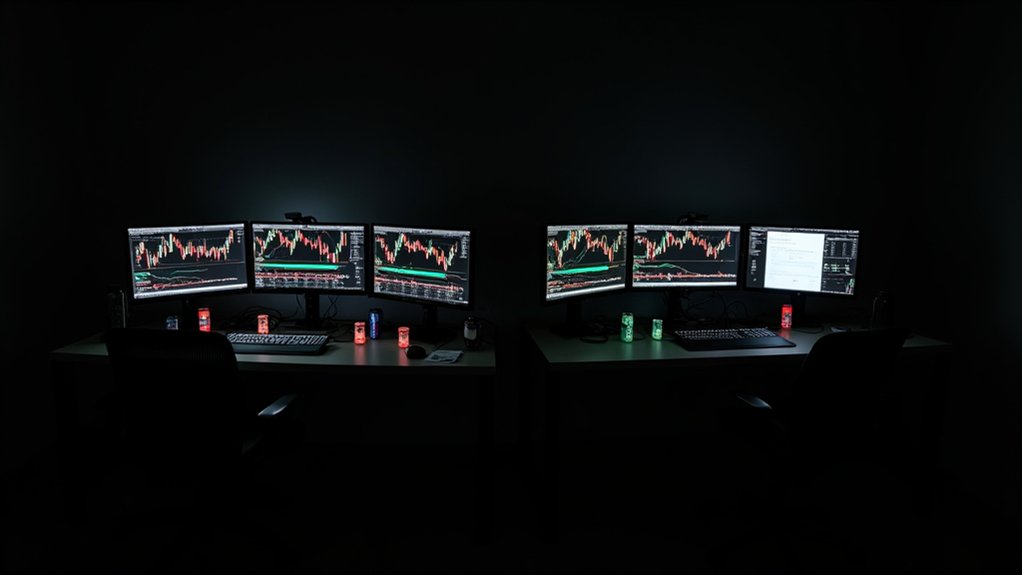

Because forex trades around the clock five days a week, part-time traders can't watch every move, and many try anyway. Market watchers say a narrower approach works better. Traders are urged to pick one or two trading windows that fit their schedules, set a firm daily stop time, and treat unplanned hours as off-limits.
The window matters. Currency pairs should match the financial centres active during those hours. The London session and the London–New York overlap often bring high activity and tighter spreads, but they can also bring larger price moves. Session hours should be checked in one consistent time zone, since daylight-saving changes can shift local times.

Planning comes before action. Traders are encouraged to write down entry, exit, and position-sizing rules before placing a trade. Those with limited screen time can use longer timeframes or strategies that need fewer trades. An economic calendar should be checked before each session, and a journal should record the session, spread, execution price, and outcome.
Risk is the central concern. Retail forex is high-risk, and prices can move fast. Leverage magnifies losses as well as gains. A 2% margin requirement, for example, lets $2,000 control a $100,000 position. Position size should come from the stop distance and a predefined loss limit, not from the maximum leverage offered. Only money that can be lost without hurting essential expenses should be used. Stop-loss orders don't guarantee a specific exit price, and fills can be worse during gaps or fast markets.
Leverage magnifies losses as well as gains, so position size should come from the stop distance and a predefined loss limit, not the maximum leverage offered.
Part-time traders who hold jobs can limit exposure by using smart risk control to keep each trade's potential loss small relative to their account.
Costs also matter. A broker's advertised minimum spread may not hold at every moment. Spreads can widen around daily rollover, in thin-liquidity periods, and during major news releases. Traders should compare the live spread with their intended stop distance, cut size or stand aside when conditions look unusual, and count overnight financing costs on positions held past the trading day.
Scheduled events deserve attention too. Traders should note high-impact releases in their window and decide in advance whether to hold through them. Weekend exposure should be settled before late Friday, when liquidity can thin and gaps can occur.
Finally, the broker needs scrutiny. Registration or licensing should be checked with the relevant regulator before any deposit. Business history should be verified independently, and margin, leverage, liquidation, and withdrawal terms read closely. Guaranteed profits, unusually high leverage, and pressure to deposit are warning signs.