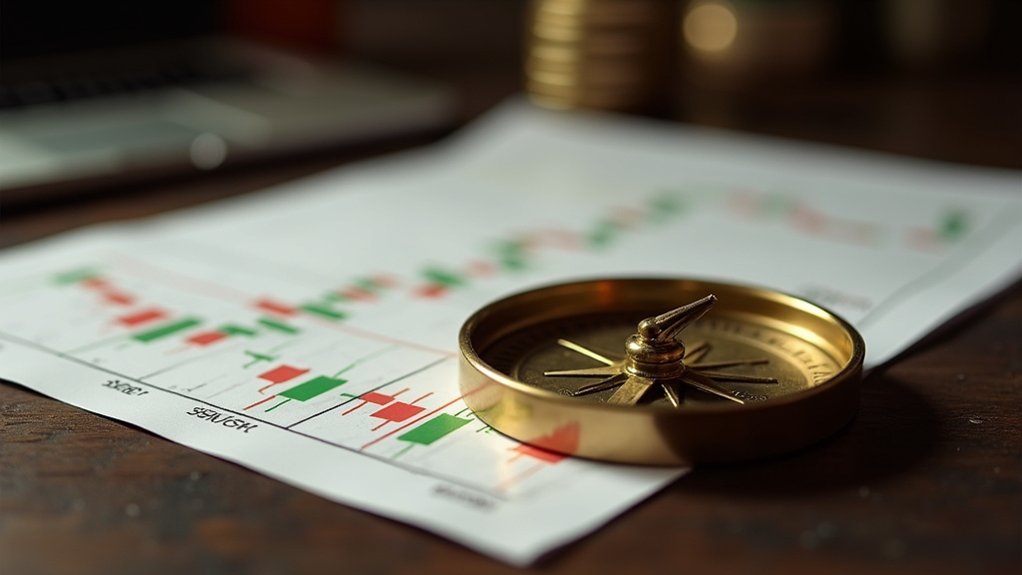
Trusting gut feelings in trading sounds like sage advice until someone checks the math. Gut feelings mix instinct, intuition, and emotion into decisions that work brilliantly for simple choices. Should I trust this person? Does this situation feel dangerous? The brain handles these calculations fast. Trading, though, flips the script entirely. It suppresses natural risk impulses because markets operate counterintuitive to survival instincts.
Loss aversion explains the problem cleanly. Pain from losing money hits two and a half times harder than equivalent gains. A 10% loss doesn't register as 10% emotionally—it slams traders with roughly 25% impact. Drop 25% and the emotional hit reaches 62.5%. This myopic loss aversion fixates attention on short-term losses, skewing responses toward recent pain.

Volatility amplifies visceral reactions: uncertainty, fear, doubt, panic. Gut reactions in these moments? Usually terrible.
But experienced traders develop something different. Call it intuition sharpened by pattern recognition and market exposure. The brain starts identifying setups before full development occurs. Subtle price changes appear before chart indicators catch up. Trends lose momentum ahead of confirmation. Price struggles breaking key levels despite strong moves. These observations happen fast, almost automatically, because repetition carved neural pathways. Intuition functions as accelerated pattern recognition, not mystical guesswork. Successful traders cultivate mental discipline that separates reactive impulses from informed market reading.
This refined sense enables earlier recognition of market changes and supports faster decisions when conditions blur. It heightens risk awareness when trades feel off and refines entries or exits through momentum shifts. The key distinction? Calm intuition versus fear or excitement. One comes from experience, the other from emotion.
Developing this takes focused repetition on one strategy, logging situations that felt off, reviewing trades to identify success patterns. Screen time matters. Intuition builds naturally, improves reliability gradually. It works best as a filter confirming the trading plan, not replacing it.
Smart traders use intuition to skip questionable setups, not initiate impulsive ones. They take only strategy-compliant trades, maintain consistent position sizes, and step away from rushed decisions. Unrealistic expectations about quick profits often derail traders who haven't yet developed this disciplined approach. Intuition serves as supporting tool, never primary driver. Maintaining emotional control prevents impulses from overriding strategic decisions during volatile market conditions. The charts still matter. Just not exclusively.