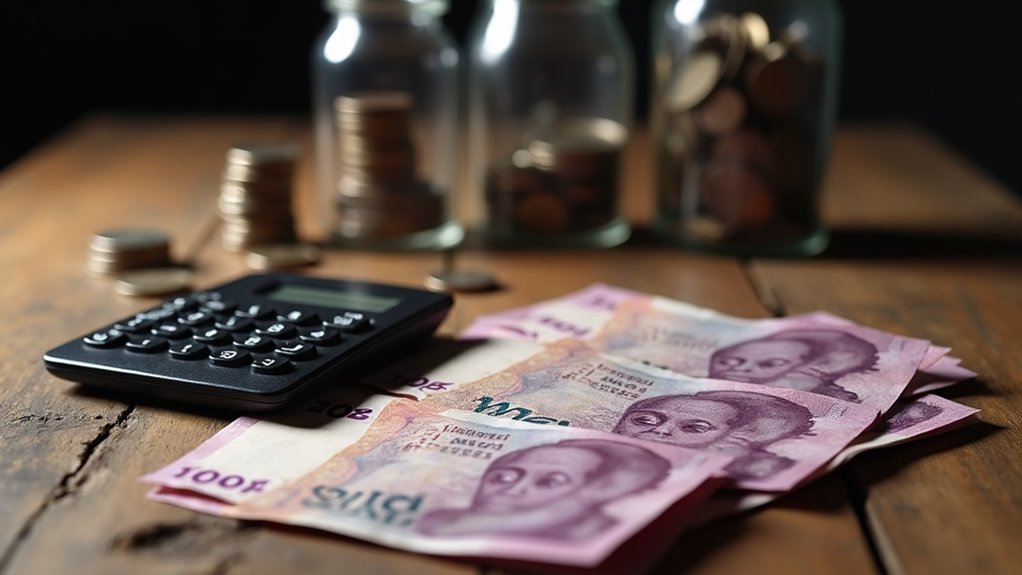
Rwanda's central bank isn't budging. The Central Bank Rate stays locked at 6.75%, where it's been parked since August 2025. The rationale? Keep inflation somewhere between 2% and 8%, ideally cruising at 5% medium-term. Headline inflation hit 7.2% in Q3 2025, pushed up by energy costs and stubborn core prices. Authorities insist the rate is “appropriate” to anchor expectations and prop up investor confidence. Translation: don't panic, we've got this under control.
Rwanda's CBR holds at 6.75% since August 2025—targeting 5% inflation medium-term while Q3 headline hit 7.2% amid energy pressures.
Inflation forecasts predict an average of 6.9% for 2025, cooling to 5.8% in 2026. Core inflation remains elevated but should ease later next year. Energy prices keep adding pressure. Still, officials expect everything to stay within target range. The whole game here is credibility—keep inflation expectations tethered so businesses can actually plan ahead.

For lending, the CBR freeze means commercial banks aren't touching their rates either. Stable borrowing costs theoretically help agriculture, manufacturing, and services access credit. But here's the catch: credit expansion gets choked when benchmark rates sit this high. Loan growth hinges on whether the economy keeps expanding and policy stays predictable. Banks wait for CBR signals before adjusting loan pricing.
On the currency front, the central bank wants exchange rate stability to cushion external shocks. Holding rates steady reassures international markets about the local currency, offsetting some USD volatility. Reserve management and cautious signaling help contain FX vulnerabilities. The hope? Attract capital inflows and make the country more appealing for foreign direct investment. Monetary policy decisions influence currency values by signaling commitment to price stability and economic management. Much like Egypt's FRA oversight of forex trading activities, effective regulatory frameworks remain critical for maintaining currency market integrity and investor protection.
Trade numbers tell a messier story. The trade deficit widened 10.2% in 2024. Exports grew marginally while import costs spiked—currency shifts and energy prices to blame. GDP growth of 7.8% in Q2 2025 helps with export volume, softening the imbalance somewhat. When interest rates rise, domestic currency typically appreciates as higher yields attract foreign capital seeking better returns.
Growth looks strong on paper, but risks loom. Fiscal deficits average 3.8% of GDP, with public debt approaching 67% by 2026–2027. High core inflation could strangle private lending. A prolonged rate hold might cool investment momentum. External shocks and fiscal strain lurk in the background. Stability, sure—but stagnation? Not off the table.