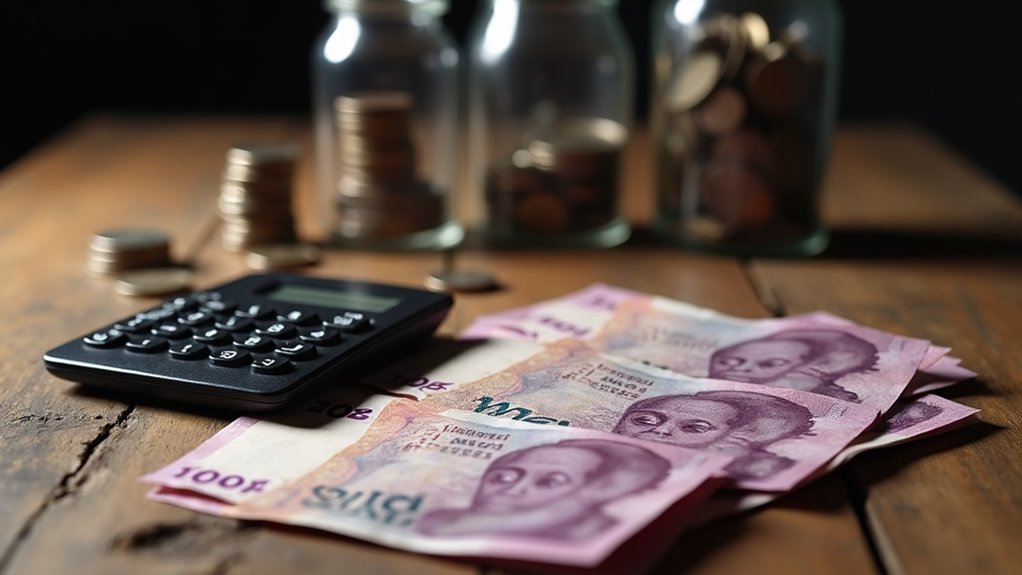

Starting June 2, 2025, Rwanda is pulling the plug on foreign currency use in local transactions. Regulation No. 89/2025 makes it crystal clear: no more quoting prices, advertising, invoicing, or accepting payments in dollars, euros, or any other foreign currency unless the National Bank of Rwanda says otherwise. And good luck getting that permission.
This isn't some gentle suggestion. Every sector gets hit—retail, hospitality, tourism, real estate, transportation. All of it. Your restaurant menu listing prices in USD? Illegal. That hotel website with euro rates? Illegal. A real estate contract denominated in dollars? You guessed it, illegal. The ban covers everything from printed brochures to social media posts to verbal quotes.

The penalties bite hard. First offense runs you Rwf 5 million, roughly $3,500. Get caught again and you're looking at Rwf 10 million. The National Bank isn't messing around with enforcement either, actively monitoring violations and threatening to revoke permissions for anyone stepping out of line.
Rwanda's rationale sounds reasonable enough on paper. Officials want to protect the Rwandan franc, kill off the informal dollarization undermining their economy, and shut down black-market currency exchanges. Strengthening monetary policy control, curbing inflation, eliminating market distortions—all the usual central bank talking points. The country's following regional trends too, with Nigeria, Ethiopia, Zimbabwe, and Tanzania making similar moves toward de-dollarization. These restrictions represent a form of capital controls that governments use to regulate how money flows in and out of their economies.
Some exceptions exist, naturally. Import-export deals get a pass. Hotels, casinos, duty-free shops, tour operators, and international schools can still transact in foreign currencies with non-resident clients, assuming they secure approval first. Licensed forex dealers and banks keep doing their thing. But transactions between Rwandan residents? Francs only.
Businesses are scrambling to comply. Hotels, restaurants, and tour operators—especially the high-end operators who've been pricing exclusively in dollars and euros—face massive overhauls of their entire pricing infrastructure. Websites need updating. Marketing materials require revision. Price lists demand complete rewrites. The National Bank of Rwanda's approach functions as a direct form of foreign exchange intervention, where central banks actively step into currency markets to influence exchange rates and support their domestic currency. Similar currency code distinctions exist in other markets, such as China's separate onshore and offshore yuan systems for domestic versus international trading.
Whether franc-only commerce actually works remains the big question. Rwanda's betting its monetary sovereignty on it.