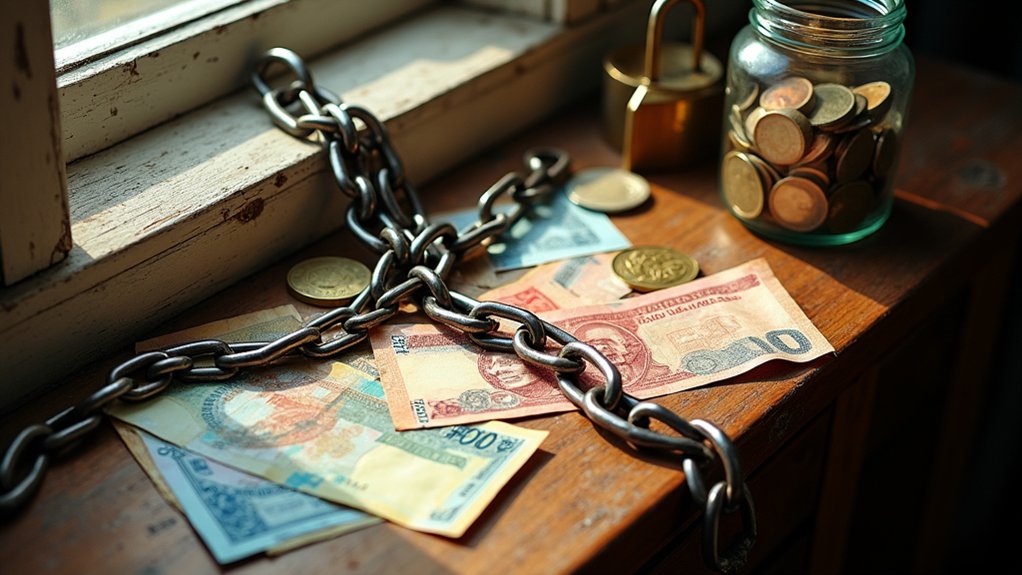

Under pressure to ditch the greenback once and for all, Zimbabwe is basically saying: not so fast. No countdown clock. No dramatic switch-flip. Just… patience. Officials insist they won't force the ZiG into sole-currency status until inflation calms down and the exchange rate stops acting like a rollercoaster.
No countdown clock. No dramatic switch-flip. Just patience — ZiG goes solo when inflation behaves, not before.
Finance Secretary George Guvamatanga made it plain: stability first, single currency later. For now, the dual-currency system stays put. Reporting out of 2026 confirms this isn't about hitting some magic date on a calendar. It's conditions-based. Period. The message from the top is consistent — de-dollarisation happens when the economy earns it, not when a press release demands it.

That said, there's a target floating around: 2030. Bloomberg reported in 2025 that officials expect a solid foreign-exchange buffer within three years, setting up that mono-currency shift. Control Risks says cabinet already approved a roadmap pointing at 2030 for ZiG to become the sole currency. But don't mistake a target year for a promise. The changeover is gradual, staged, and — officials keep repeating this — tied to conditions, not the calendar.
What are those conditions, exactly? Single-digit inflation, for starters. The RBZ also wants foreign-currency reserves covering three to six months of imports, a stable exchange rate, and an efficient forex management system. Throw in financial-sector stability, a smooth national payments system, and fiscal-monetary cohesion. That's a lot of boxes to tick.
Context matters here. ZiG — Zimbabwe Gold — is the country's latest swing at currency reform, and reportedly the sixth attempt since 2000. Sixth. Nobody's popping champagne over that track record just yet. In forex markets, the Zimbabwean dollar has long been considered one of the most challenging currencies to trade due to its history of hyperinflation and redenomination.
When the changeover does happen, no one's getting their US dollars snatched away. The RBZ has been clear: no forced conversion. Existing contracts stay in whatever currency they were signed in. Consumers holding dollars would simply need to convert to ZiG for domestic purchases, and officials frame the whole thing as market-driven, not mandatory.
Confidence is the real currency here. Officials keep tying the single-currency move to inflation control and credibility. Zimbabwe's currency trading environment remains shaped by a complex web of official and parallel exchange rates that traders must navigate carefully. The Reserve Bank of Zimbabwe also plays a direct role in forex market interventions, buying and selling foreign currency to influence exchange rates and maintain the stability that officials say must precede any single-currency transition. Without that, ZiG's big moment stays exactly where it is now — on the roadmap, not in your wallet.