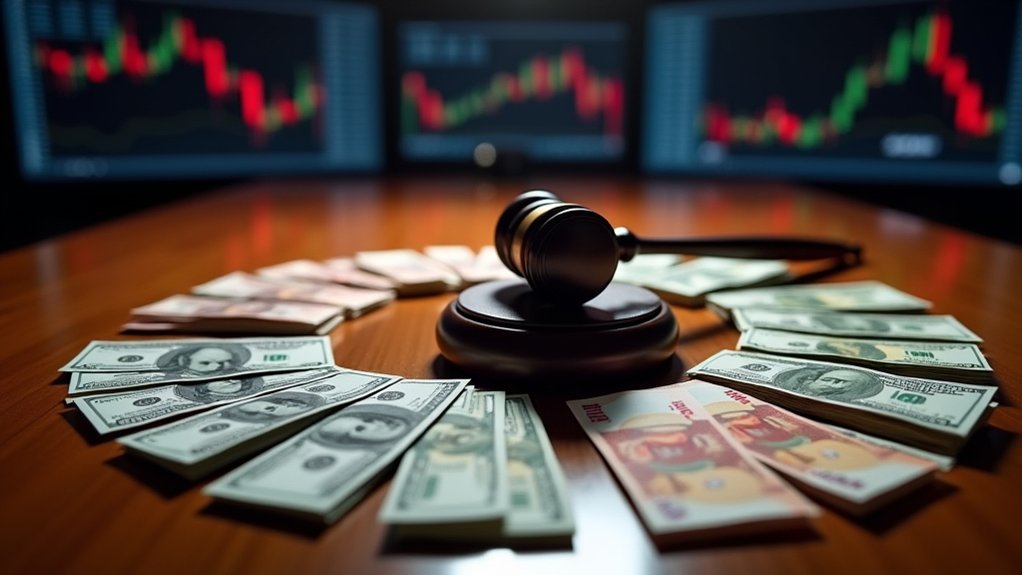

Kevin Warsh rattled markets at Jackson Hole with a blunt message: inflation is still too high, and the Fed may need to raise rates again soon. His speech framed short-term interest rates as the Fed's main policy tool, pushing balance sheet questions and AI-related issues to the background for now. Multiple outlets called the tone unexpectedly hawkish, a sharp turn from the more mixed messaging seen at July's press conference.
Warsh said he's near the edge of backing a rate hike if inflation data don't improve soon. He also suggested the Fed's stance could put it at odds with the Treasury and the White House, both of which had leaned toward rate cuts or holding steady.

Markets reacted fast. CME FedWatch data showed September hike odds jumping from roughly 35-40% to about 55-60% right after the speech. One estimate put it at 35% on August 27, climbing to nearly 60% for the mid-September FOMC meeting. Some reports cited 58% odds for a quarter-point hike, up from around 36%.
That pushed the probability past 50/50, turning the decision into what traders now call a coin flip.
The shift showed up beyond futures markets too. Kalshi's odds of a September hike rose to 48%, up from nearly 70% odds of no change before Warsh spoke. Polymarket bettors put the odds near 49%. Deutsche Bank analysts now expect two hikes in 2026, in September and December, adding up to about 50 basis points total.
Bond and equity markets felt it immediately. The two-year Treasury yield climbed noticeably during and after the speech. Futures curves steepened at the short end, pointing to higher rates over the next few meetings. Stocks saw intraday swings as investors adjusted to a tougher Fed stance than expected.
Swap rates and credit markets shifted higher too. Since central bank rate decisions directly influence currency valuation by altering the appeal of holding a nation's assets, a hawkish Fed tends to strengthen the dollar against a broad basket of currencies.
For Africa, a more hawkish Fed usually means a stronger dollar, which can pressure currencies like the naira, rand, and cedi while raising import costs. Traders across emerging markets will likely watch upcoming U.S. inflation data closely, since it could determine whether September's hike becomes reality or fades.