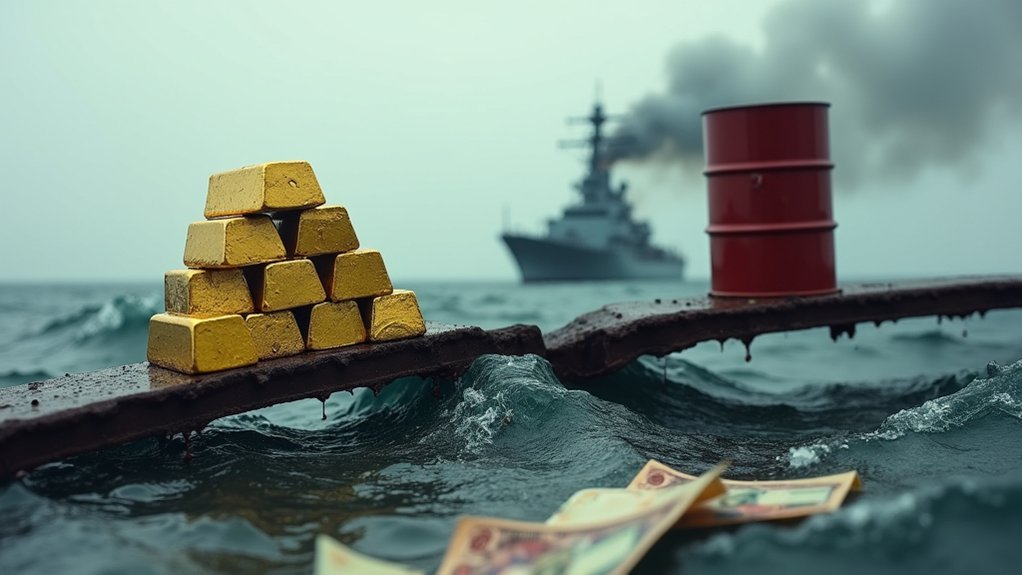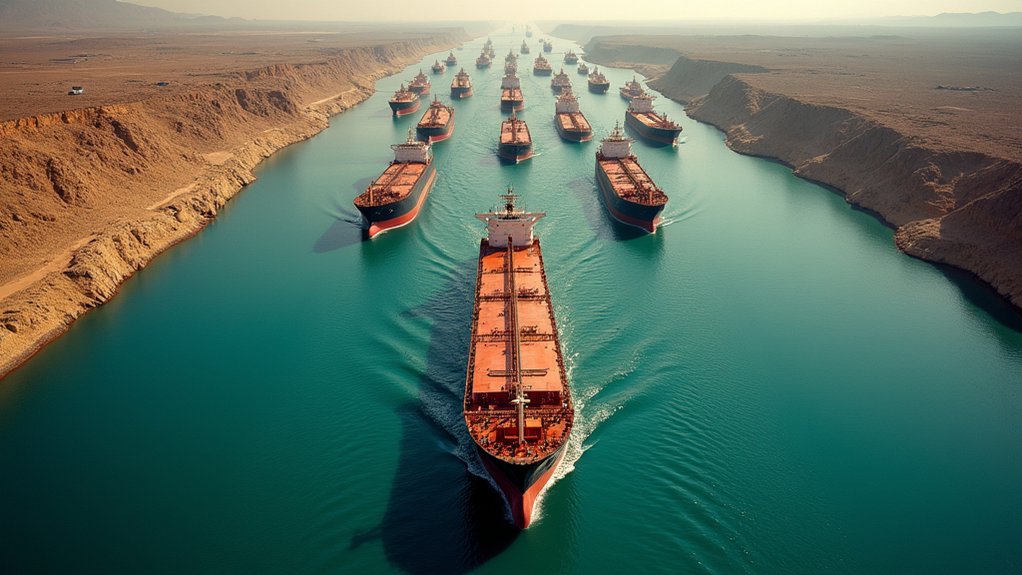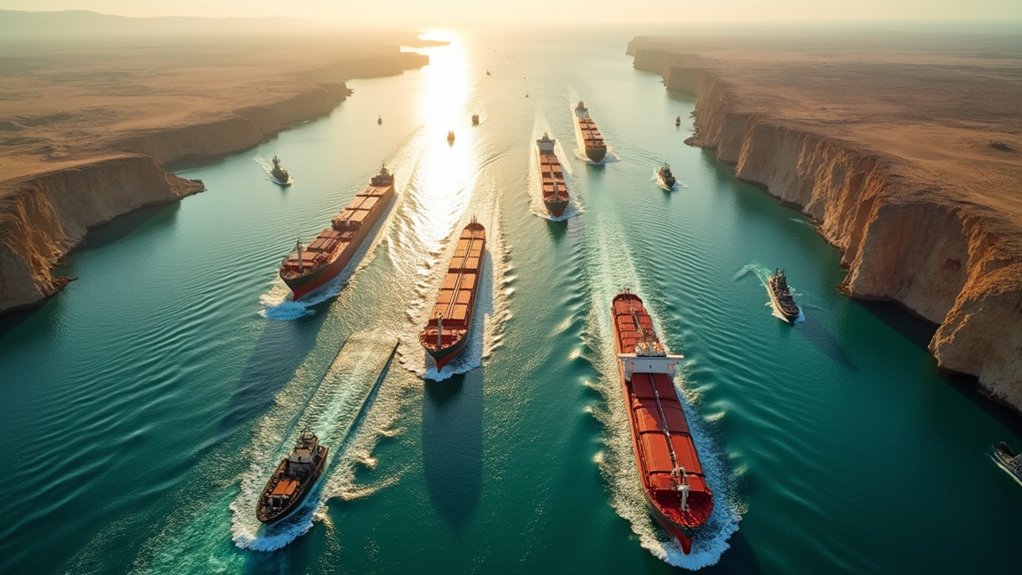
The Strait of Hormuz—that narrow, oil-soaked chokepoint between Iran and Oman—might actually reopen, or at least that's what President Trump pledged Monday morning in what he's calling a “humanitarian gesture.” He's dubbed it Project Freedom, because everything needs a name, and announced the US Navy will start escorting stranded ships through Iranian-controlled waters in the coming hours.
The plan is simple enough. Guide trapped ships out. Free up business. Help people and companies who've done nothing wrong except be in the wrong place when the Middle East war shut down the world's most crucial shipping route.

Iran isn't exactly thrilled. Their military warned the US to stay away or risk attack. They're calling this whole operation a violation of the current ceasefire and insist they retain security control over the strait. Top military leaders told American forces to avoid the area entirely. Tehran even rejected the latest US peace offer to reopen the strait in exchange for lifting the blockade on Iranian ports.
But the US is moving forward anyway. They've set up an enhanced security area south of typical shipping routes and urged mariners to coordinate with Omani authorities because traffic is about to get messy. The Joint Maritime Information Centre is already guiding stranded vessels, and Washington maintains its blockade on Iranian ports remains both effective and legal.
Trump's team is inviting other countries to join the coalition. New Zealand got the call, along with UK and France for military planning meetings. New Zealand's being cautious though, seeking more details and making participation conditional on a sustainable ceasefire agreement. Their Cabinet will consider it later.
If this works, oil prices could ease. Equities might rally. Gas prices have been climbing as negotiations stalled over Iran's nuclear program and the blockade. The Federal Reserve and other central banks will be watching closely, as prolonged instability in the strait could force them to adjust monetary policy in response to inflationary pressures from disrupted oil supplies. Currency traders will monitor the 4pm London benchmark closely, as major forex movements typically crystalize at this daily fixing window when oil price volatility spikes. Any central bank policy changes triggered by sustained energy price shocks would likely trigger immediate currency value fluctuations across major forex pairs.
The timing is interesting. Saturday brought talk of renewed strikes against Iran. Democrats are criticizing military involvement without congressional approval. Peace talks remain at an impasse.
Whether Trump can actually pull this off is anyone's guess. Iran's threatened attacks before. But Project Freedom is launching regardless, and neutral ships are about to get their Navy escort.