
The South African rand slid to about R17.56 per US dollar in early trade on 20 November, its weakest level in a year, as a stronger dollar and domestic political worries weighed on the currency.
The slide didn't stop there. EWN reported the rand weakening to above R17.60 in late-November trade. By 23 November, USD/ZAR was near R17.50, after reaching roughly R17.59 the previous Friday.

The rand kept sliding, topping R17.60 in late-November trade before easing to near R17.50 by 23 November.
For the month, the rand lost about 5% against the dollar, its steepest November drop since 2001, when it fell about 8%. A one-week gauge of expected USD/ZAR swings hit a seven-month high, a sign traders expected bumpy trading ahead.
Politics offered an easy explanation. Coalition talks after the local government elections remained unresolved in several major councils. One reported worry was that shutting the Democratic Alliance out of local administrations could strain its ties with the ANC-led national government of unity.
Market commentary also pointed to the risk of unstable coalitions and weaker service delivery. The Bureau for Economic Research (BER) called possible damage to investor confidence a risk, not a confirmed rupture.
Still, the evidence suggests politics wasn't the main driver. The dollar neared a 19-month high as markets priced in possible US interest-rate increases. That pulled money toward dollar assets and away from emerging-market currencies.
Reuters linked the rand's fall to dollar strength alongside domestic pressures, not coalition uncertainty alone. News24 said the move reflected a broader dollar rally hitting emerging-market and commodity currencies.
BER attributed roughly 4% weekly depreciation to a mix of forces, with dollar strength and falling precious-metal prices likely larger contributors than coalition worries. PSG chief economist Johann Els named the dollar as the primary pressure, with weaker gold and platinum prices and political concerns as secondary factors. EWN also cited an AI-related market sell-off.
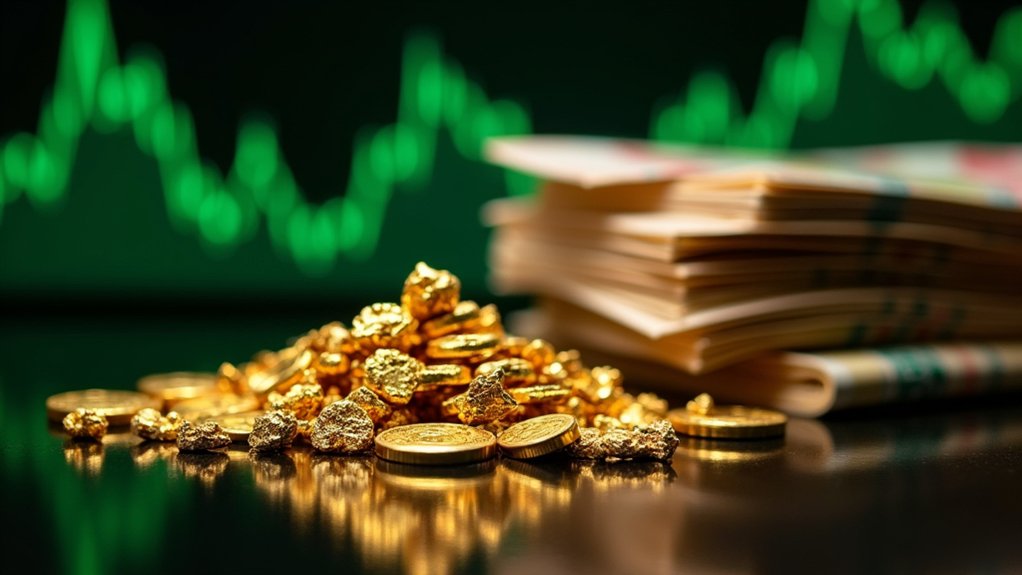
Metals matter because gold is an important South African export, and US rate-hike expectations added pressure on precious metals. TreasuryONE described the rand as squeezed by a stronger dollar, confidence concerns at home and narrowing South Africa–US interest-rate differentials.
USD/ZAR is the currency pair representing the exchange rate between the United States Dollar and the South African Rand in foreign exchange markets.
Markets will likely watch for signs on US rate expectations, moves in gold and platinum prices, and whether council coalition talks are settled. Available reporting supports coalition uncertainty as a contributing factor, but not as the clearly dominant one.