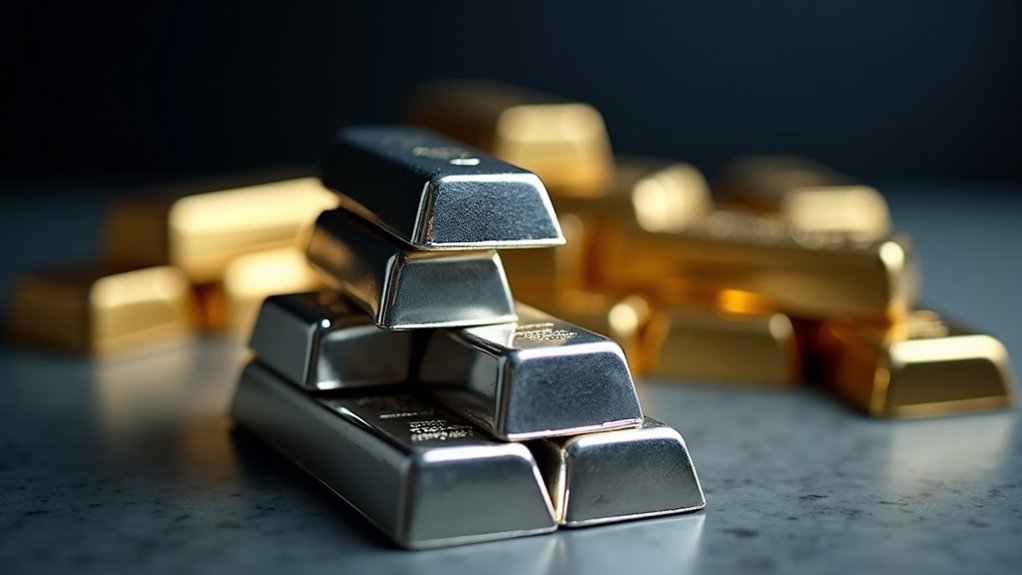
In the span of just twelve months, silver has gone from sleepy industrial metal to the hottest commodity story nobody saw coming. The metal closed 2025 near $72 per ounce after touching $83.60 intraday. Year-to-date gains approached 100%. That's not a typo.
Now here's where it gets interesting. While major banks are calling for $55 to $65 by year-end—some as low as $63.78—the market itself is screaming something completely different. Silver recently pushed toward $84.50, dangerously close to its all-time high of $85.87. The spot price hit $80.47 on January 9, 2026, closing at $79.92. That explosive bounce reinforced the case for higher prices, yet mainstream forecasts remain bizarrely bearish.

The overlooked indicator? The gold-to-silver ratio sitting at 70 to 82. Historically, when this ratio compresses, silver tends to outperform gold. Hard. Technical indicators show the 14-day RSI at 70.66, with some readings exceeding 76. Overbought? Sure. But momentum doesn't care about your comfort level.
What's driving this? Industrial demand is relentless. Solar panels, electric vehicles, electronics—silver is everywhere renewable energy and technology need to be. Physical demand outpaces supply while exchange inventories sit at decade lows. ETF inflows remain robust. Meanwhile, most silver comes as a byproduct of gold, lead, and zinc mining, meaning higher prices don't magically conjure more supply.
The market structure has fundamentally shifted. Demand exceeds supply. Deficits are deepening. One GoldSilver analyst expects prices above $100 as these deficits worsen. Technical targets range from $72 to $88 based on multi-year breakouts. Support sits at $65 to $70, with major support at $69 to $70.
Yes, risks exist. A strong dollar, Fed tightening, recession fears—all could trigger corrections of 30 to 50 percent. CME margin hikes can act as a “kill switch” when bullion banks get nervous. But here's the thing: prices are holding above the 200-day moving average and the nine-day EMA at $77.94. The market entered price discovery mode above $60 in late 2025. Traders using technical analysis tools to navigate these volatile commodity markets can identify key support and resistance levels that often dictate short-term price action.
Silver is flashing upside. For context, professional forex traders navigating similar commodities markets typically manage multiple factors affecting their monthly earnings, from volatility to leverage—skills increasingly relevant as silver's price action intensifies. Like currencies, precious metals respond to economic data releases including inflation reports and manufacturing indices that reveal industrial demand strength. Most people just aren't looking.