
In the span of just four months, the dollar has taken a beating. The Dollar Index, which tracks the greenback against a basket of major currencies, has dropped over 10% in 2025. It's gone from above 101 in May to under 98 by September. Not exactly the kind of trajectory anyone holding dollars wanted to see.
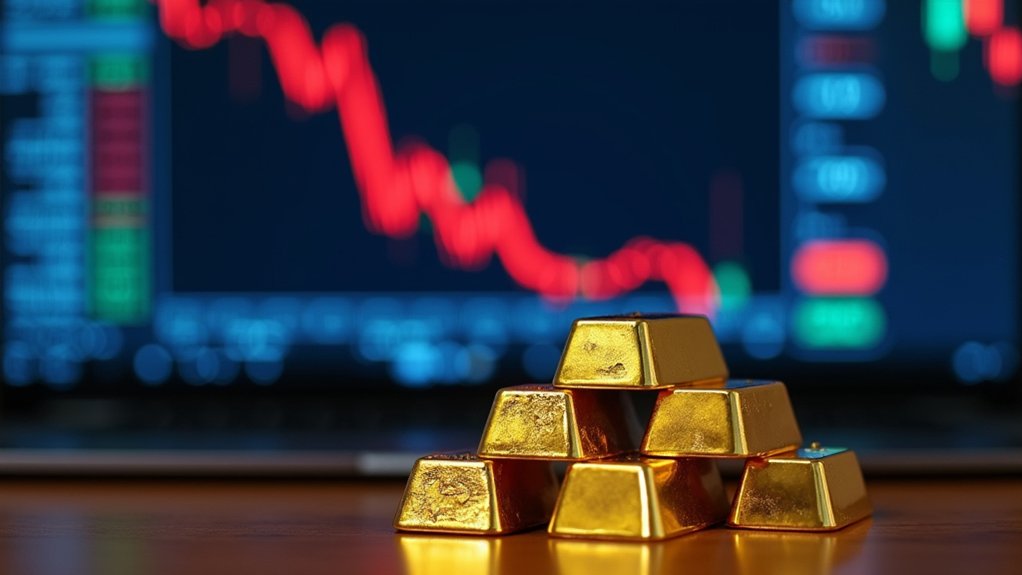
Meanwhile, gold is having the time of its life. The yellow metal is trading near record highs at around $3,650 per ounce as of September 2025, up over 50% year-to-date. It even hit $3,674 in September, and some forecasts see it reaching $3,800 by year-end and potentially $4,000 by mid-2026. Gold has basically outperformed everything else this year.

The relationship between the dollar and gold is pretty straightforward. They tend to move in opposite directions, with a 60-day rolling correlation hovering around negative 0.45 this year. When the dollar weakens, gold gets cheaper for buyers using other currencies, so demand goes up. It's a seesaw effect that traders have relied on forever.
So what's crushing the dollar? Soft U.S. economic data, for starters. Producer prices came in weaker than expected, job growth slowed, and the market started betting big on Federal Reserve rate cuts. Lower rates make yield-bearing assets less attractive compared to gold, which doesn't pay interest but doesn't lose value to inflation either. When central banks cut rates, currencies typically weaken as capital flows to higher-yielding alternatives in other markets. Inflationary pressures also play a critical role in currency valuations, as rising consumer prices can erode purchasing power and shift forex market dynamics.
Central banks have been piling into gold like there's no tomorrow. They added over 1,000 tonnes in 2025 alone. China, Russia, and emerging markets are buying to diversify away from the dollar, hedging against geopolitical risk and currency debasement. Emerging market currencies like the South African Rand often show heightened sensitivity to global dollar movements and shifts in commodity prices. Can't blame them, really.
The Fed's dovish pivot in response to the economic slowdown has only added fuel to the fire. Policy divergence concerns and dollar sales have reinforced gold's rally. The dollar's current level might look elevated compared to its 20-year average of around 90, but that doesn't mean much when the trend is firmly downward. Gold's 53.8% gain this year speaks for itself.