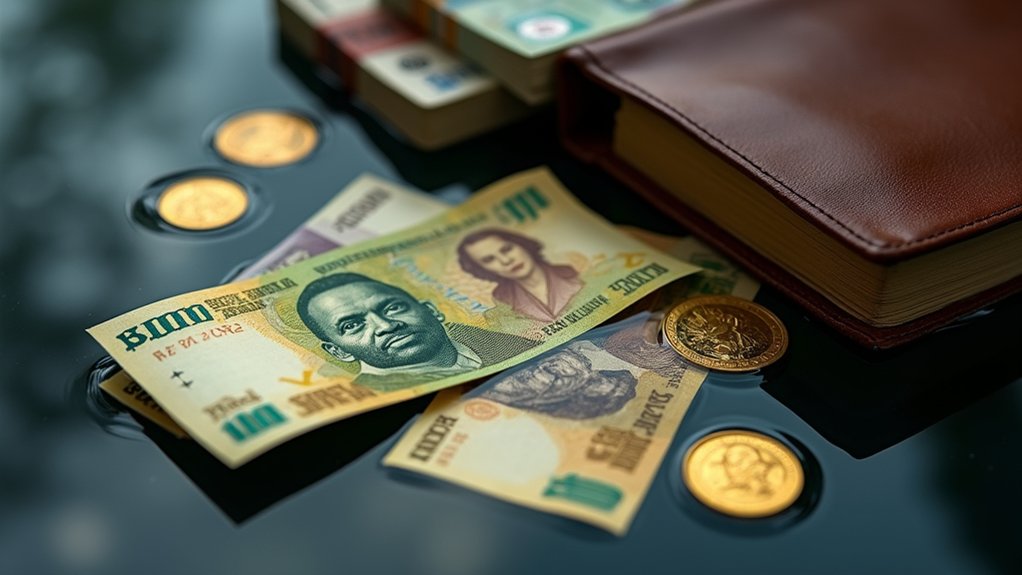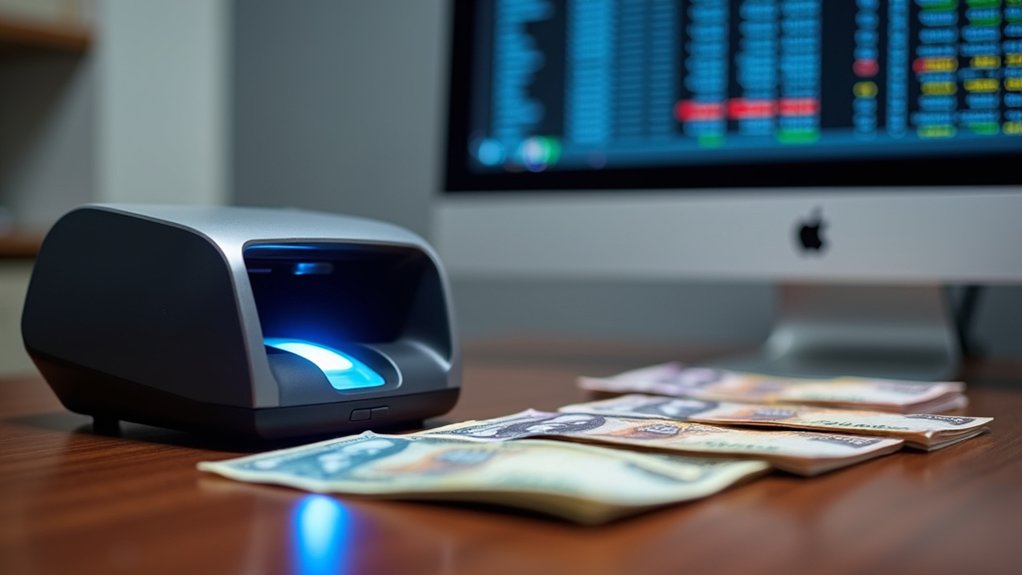

Under new directives from the Bank of Ghana and the Financial Intelligence Centre, forex bureaux in Ghana must report every foreign exchange transaction that crosses the GH¢20,000 mark.
Forex bureaux in Ghana now face mandatory reporting for every transaction exceeding GH¢20,000 under new regulatory directives.
That's the new reality. Banks and securities firms get a higher threshold of GH¢50,000, but forex bureaux? They're stuck at GH¢20,000.

These Cash Transaction Reports, or CTRs, cover everything. Deposits, withdrawals, sales, purchases. All of it. And they must be filed daily with the FIC through an approved management system.
The rules, issued in September 2025, replace the 2024 notice and took effect immediately. No grace period, no waiting around.
Here's where it gets interesting. Suspicious Transaction Reports have no threshold at all. Zero.
A GH¢100 deposit that seems off? Report it. Within 24 hours. The regulators don't care about the amount. They care about the suspicion. Money laundering, terrorism financing, transactions with sanctioned individuals—all of it triggers an STR. And bureaux cannot tip off customers that they've filed a report. That's banned outright.
Transactions exceeding US$10,000 require Ghana Card details and biometric verification. No Ghana Card? No transaction. Period.
Banks must report all electronic transfers over US$1,000 through Electronic Cash Transaction Reports.
Every forex bureau must appoint an Anti-Money Laundering Reporting Officer approved by BoG. This person files reports, trains staff, liaises with authorities. Outsourcing these functions without prior approval? Prohibited. Staff training is mandatory annually, with details submitted to regulators by December 31.
Record keeping requirements are strict. Five years minimum for all customer and transaction data. Money counting machines must be used for all transactions. Politically Exposed Persons get enhanced due diligence because, well, they're PEPs.
Similar oversight frameworks exist in other markets, with Egypt's FRA maintaining comparable regulatory authority over forex trading activities.
Client funds must be held in segregated accounts separate from the bureau's operational capital, ensuring trader protection through proper fund management.
Non-compliance carries consequences under the Anti-Money Laundering Act of 2020 and the Foreign Exchange Act of 2006. The BoG and FIC have administrative penalty guidelines from 2022 ready to deploy.
Annual independent audits of AML programmes are due by April 30, with any weaknesses addressed within 45 days.
These requirements reflect Ghana's alignment with international regulatory standards governing foreign exchange trading activities.
The message is clear: report everything, keep records, train staff. Or face sanctions.