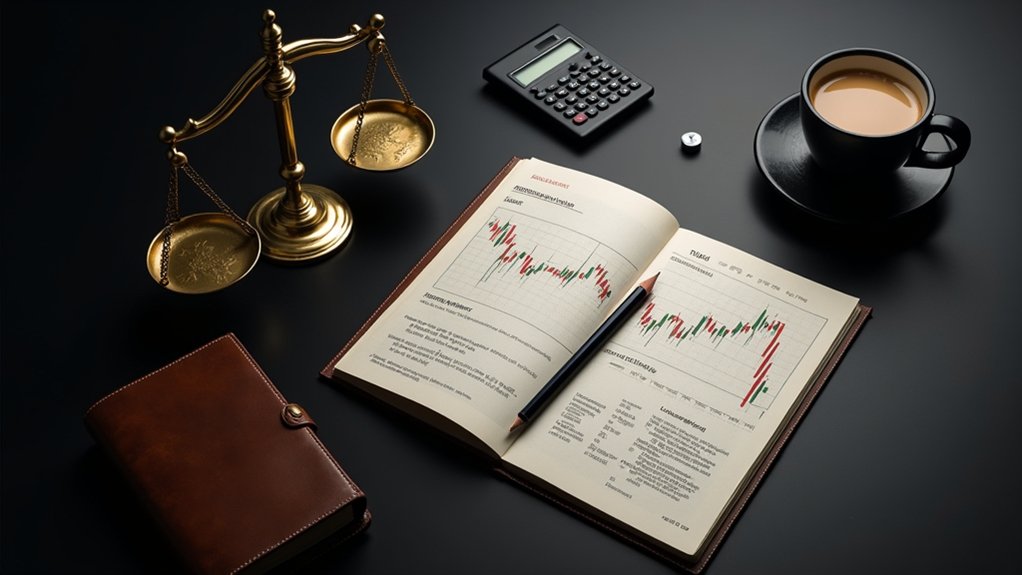
Discipline separates traders who survive from those who don't, and increasingly, that discipline starts with a journal. Traders across markets, from Lagos to London, are learning that tracking numbers alone won't fix bad habits. What's driving results, good or bad, is often emotion and bias hiding behind every entry and exit.
Tracking numbers alone won't fix bad habits—emotion and bias hide behind every entry and exit.
A serious trading journal now asks harder questions. Before a trade, was the trader calm or anxious? During the trade, did fear creep in and cause an early exit? After it closed, did relief turn into regret, or did a loss spark the urge to revenge trade? These questions matter because emotional patterns repeat. A trader who feels rushed every Monday morning, or unfocused after poor sleep, can spot that pattern only by writing it down.

Bias is the next layer. Confirmation bias shows up when traders seek only analysis that supports what they already believe, ignoring signals that contradict their view. Anchoring happens when someone fixates on an entry price and refuses to adjust as new information arrives. Naming these biases in a journal, especially after a losing week, helps traders see what actually drove the decision rather than what they told themselves at the time. This is closely tied to one of the most common beginner errors, overtrading, which often stems from unchecked emotional impulses rather than sound strategy.
Motivation matters too. Was a trade taken to chase profit, or to relieve boredom, or to recover a previous loss? A trader in Nairobi trading the Kenyan shilling against the dollar needs to separate a well-reasoned setup from an impulsive one triggered by frustration. Writing a one-sentence premise for each trade, and what would prove it wrong, forces clarity before risk is on the line.
Finally, discipline means checking whether a trade matched the trader's own plan. Did the setup follow documented rules, or was it forced? Recording planned risk against actual risk taken shows whether emotions overrode structure.
None of this guarantees profit. But as African markets, from the naira to the rand, face swings tied to global rate decisions and commodity prices, traders who understand their own psychology may handle volatility with steadier hands. The next test comes with the next trade, and the journal will show whether the lesson stuck.