
When rumors start swirling about the Strait of Hormuz, oil traders lose their minds. That's just how it goes. One whiff of diplomatic progress and prices tank. One whiff of trouble and prices spike. August gave us both, back to back, like some kind of cruel joke.
Hormuz whispers, market whiplash. Hope tanks prices, fear spikes them—August delivered both, no mercy, no warning.
It started August 4. WTI crashed to three-week lows after Qatari and U.S. officials dropped comments that sounded hopeful about Iran talks. Brent settled at $79.36, down $4.41, or 5.3%. WTI fell $4.57, or 5.7%, landing at $75.77. That's not a dip. That's a full-on nosedive.

Then, because nothing in this market stays put, WTI bounced back to $77.29 on August 6. Why? Iran's parliament was reviewing a bill to ban U.S. and Israeli vessels from the strait. Brent climbed too, up $3.04 to $82.49. Headlines move markets. Fast.
By August 7, the mood soured again. Oil edged lower as obstacles piled up around a proposed Iran-Oman deal to reopen the strait. Brent slipped to $81.92, WTI to $76.96. Progress, it turns out, is fragile.
Here's the deal with Iran and Oman: reports say they've been hammering out a route arrangement. Iranian officials confirmed a proposed shipping route was agreed upon, but the second stage—talks with the U.S.—remains unsettled. The plan, as described, would split traffic: inbound through Iranian waters, outbound through Omani waters. Reuters says Iran claims it's close, but conditions still need to be met. Close isn't done, though. Not even close.
Then Monday hit. August 10. Brent jumped to $87.72, up nearly 5%. WTI followed, up 5.05% to $82.13. Why? Iran and the U.S. exchanged demands, and suddenly a quick reopening deal looked less likely.
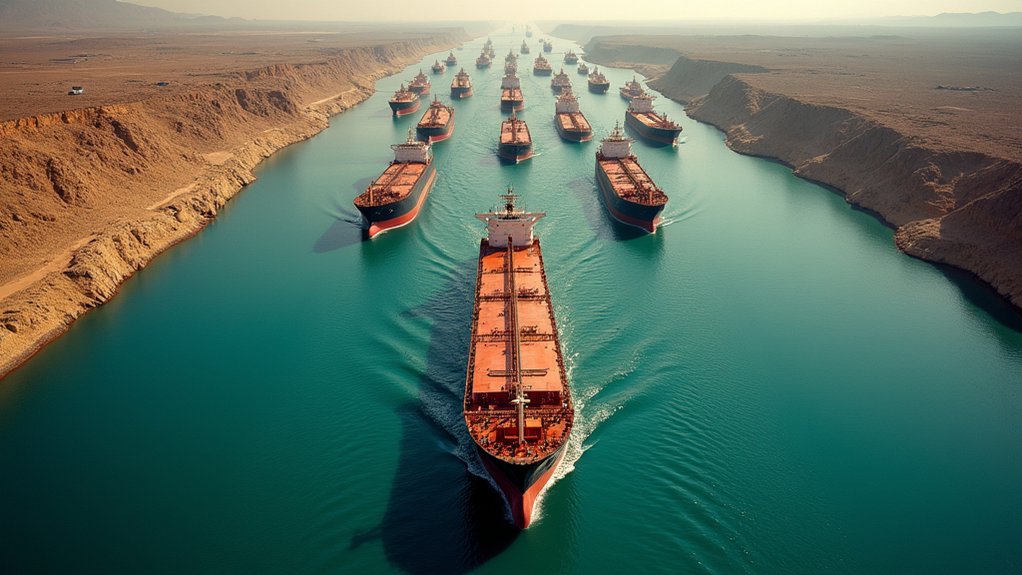
The strait matters because it always matters. Millions of barrels per day flow through there. Back in April, Iran said passage was open for the ceasefire period, and Trump claimed Iran agreed to never close it again. That aged well, apparently.