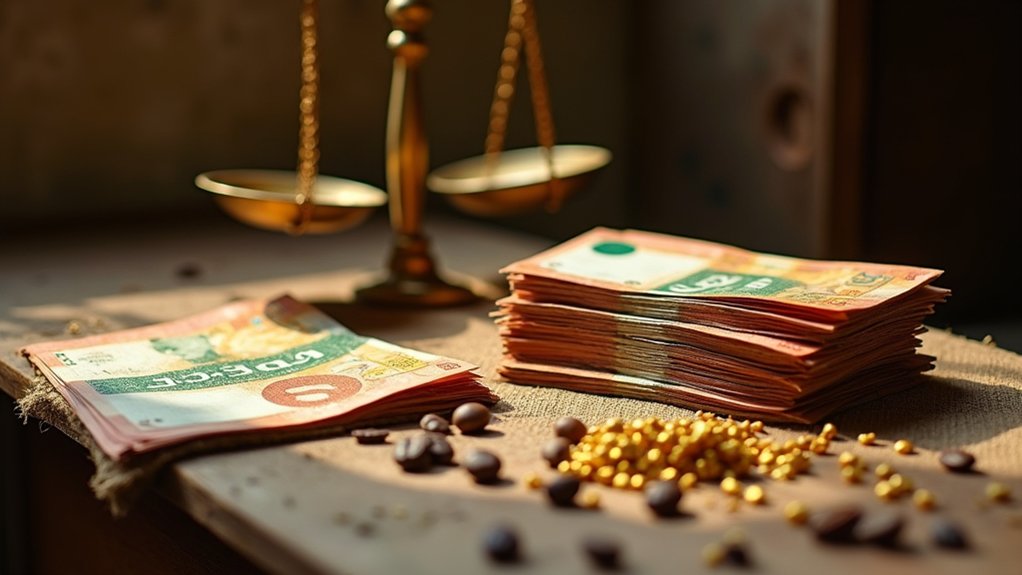
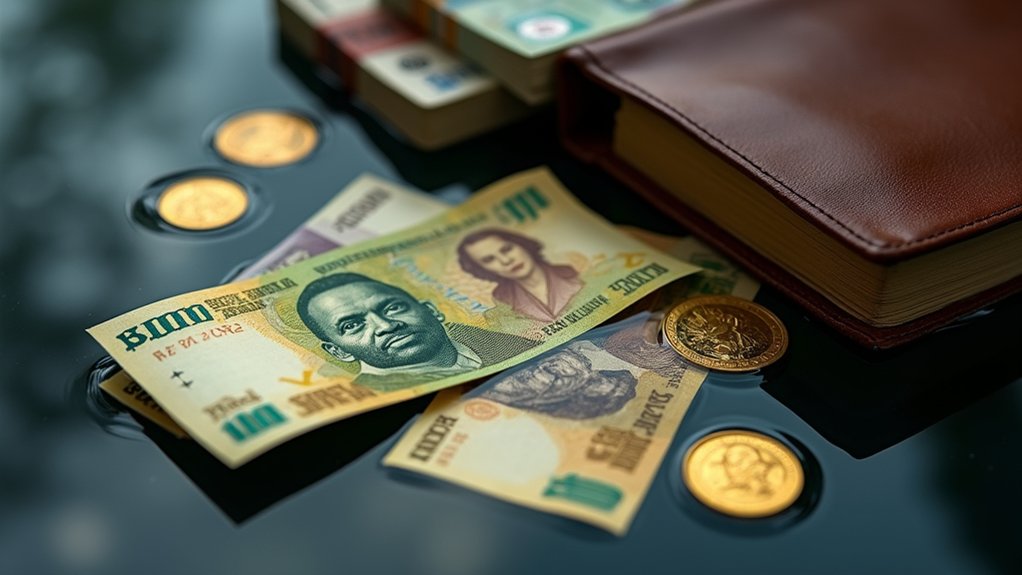
African currency markets rarely deliver good news, but 2025 has thrown a curveball that nobody saw coming. Nigeria's naira and Ghana's cedi—two currencies that historically make investors nervous—are suddenly showing signs of life. Actual stability. Not the kind anyone expected.
Ghana's cedi takes the trophy for best-performing African currency this year, posting a 20% appreciation against the dollar by mid-October. It's trading near 10.62 cedis per dollar now, a dramatic recovery from the 12 cedis per dollar disaster zone earlier in the year. Credit goes partly to the Bank of Ghana, which bumped up gold reserves by 40.6% between May 2024 and April 2025. Gold holdings climbed from 22.3 to 31.2 tonnes, providing actual backing for once. Turns out having tangible assets matters.

The naira isn't winning beauty contests, but it's holding its own. Nigeria's currency ranked among the ten best performers in Africa for October 2025. Exchange rates against the cedi stabilized between 0.0072 and 0.0073, with only 1-2% weekly fluctuations. That's boring. Boring is good in currency markets.
Both countries got help from external forces. Ghana's participation in the IMF Extended Credit Facility program released funding and improved policy credibility. The fifth review endorsed reform progress, which apparently matters to investors. Nigeria benefited from coordinated government and central bank measures aimed at stemming capital flight. Foreign portfolio outflows still surged to ₦420.37 billion in Q1 2025—a 251% year-on-year increase—but volatility calmed down anyway.
October's largest single-day movement for the naira-cedi exchange was just 3.075%. Compared to the chaos of 2023 and 2024, this qualifies as remarkable. Direct central bank interventions limited excessive volatility for both currencies. The Central Bank of Nigeria's monetary strategies include adjusting interest rates and managing liquidity to maintain currency stability. A softer US dollar and higher risk appetite for emerging markets helped too. Central banks across the region use intervention mechanisms like foreign exchange reserves deployment to stabilize currency values during periods of market stress.
Fitch Solutions expects modest weakening in Q4 2025 but nothing catastrophic. Ghana's cedi should stay supported by gold revenues and central bank action. The naira faces modest depreciation predictions but maintains structural stability. Nobody's breaking out champagne, but stability beats meltdown. The cedi's newfound resilience reflects broader Forex trading characteristics shaped by commodity backing and monetary policy credibility.