Forex trading in Zimbabwe is legal—completely, surprisingly legal—but almost nothing about it matches what outsiders expect. There's no regulatory framework for offshore platforms, the Reserve Bank doesn't police speculative retail trades, and international brokers operate without local licenses. Meanwhile, traders dodge a collapsing currency, exploit London session liquidity, and navigate export surrender rules that have nothing to do with their MT4 accounts. The chaos isn't the illegality; it's the massive gap between formal forex controls and what retail traders actually do. What follows unpacks that contradiction.
Quick Facts That Matter
- Forex trading is fully legal in Zimbabwe, but no specific regulatory framework exists for offshore speculative platforms.
- International brokers operate without Zimbabwean licenses, creating accessibility despite the absence of formal oversight and consumer protections.
- Currency devaluation drives trading interest, yet 30% forex surrender rules and capital controls complicate profit repatriation for exporters.
- Low USD 20 minimums and smartphone access enable entry, but scams exploit regulatory gaps through social media and unverified channels.
- Trading profits face income tax up to 40%, contradicting assumptions that offshore activities escape domestic tax obligations.
Overview: Forex Trading in in Zimbabwe
Against a backdrop of economic turbulance and currency chaos, retail forex trading has exploded in Zimbabwe over the past few years. Harare and Bulawayo have become unexpected trading hubs. The ZWL's 43% devaluation in September 2024 didn't help matters. Smartphone access and cheap data mean anyone can download MT4 and start trading. Young, tech-savvy Zimbabweans are treating forex as their primary income source—hedging against inflation while the local currency does whatever it wants. Internet penetration keeps growing. Digital payments make deposits easier. Currency volatility creates opportunity. Or losses. Usually losses, honestly. Understanding Zimbabwe's foreign exchange market dynamics is essential for traders navigating these conditions. The regulatory environment has also tightened, with FXD2/2025 consolidating all previous directives into a single framework to streamline foreign exchange processes.

Is Forex Trading Legal in Zimbabwe?
So is forex trading even legal in Zimbabwe? Yes. Completely legal. One hundred percent.
The catch? There's no specific regulatory framework governing it.
Speculative forex trading—the kind without physical currency delivery—falls outside traditional Exchange Control regulations. That means domestic restrictions simply don't apply to online trading platforms.
Open an international broker account? Go ahead. Trade offshore? Perfectly fine.
The Reserve Bank of Zimbabwe regulates financial services, sure, but international brokers don't need Zimbabwean licenses.
Physical currency exchange has rules. Online speculation? Different story entirely.
The Reserve Bank shapes the formal forex market through its policies and interventions, but that influence doesn't extend to offshore retail trading.
Legal status confirmed, confusion guaranteed.
Who Regulates Forex Trading in Zimbabwe?
The Reserve Bank of Zimbabwe runs the show. Period. The RBZ pulls its authority from Section 2 of the Exchange Control Act—basically carte blanche to regulate forex activities. They license dealers, audit transactions, and slap penalties on violators. Fines? Try ZWG 1 million to 5 million. Don't pay? Daily 5% penalties pile up fast.
The Financial Intelligence Unit chases dirty money. ZIMRA taxes trading profits. The Securities and Exchange Commission watches compliance. Law enforcement seizes illicit currency. It's a whole regulatory circus, and RBZ holds the whip. Cross them? Criminal prosecution waits under Section 5. Whistleblowers who report violations can collect 10% of recovered funds as a reward.
Like most central banks worldwide, the RBZ doesn't just regulate—it actively shapes currency values through monetary policy decisions that ripple across the entire forex market. These interventions maintain economic stability even when market forces push currencies toward chaos.
How Forex Trading Works in Zimbabwe
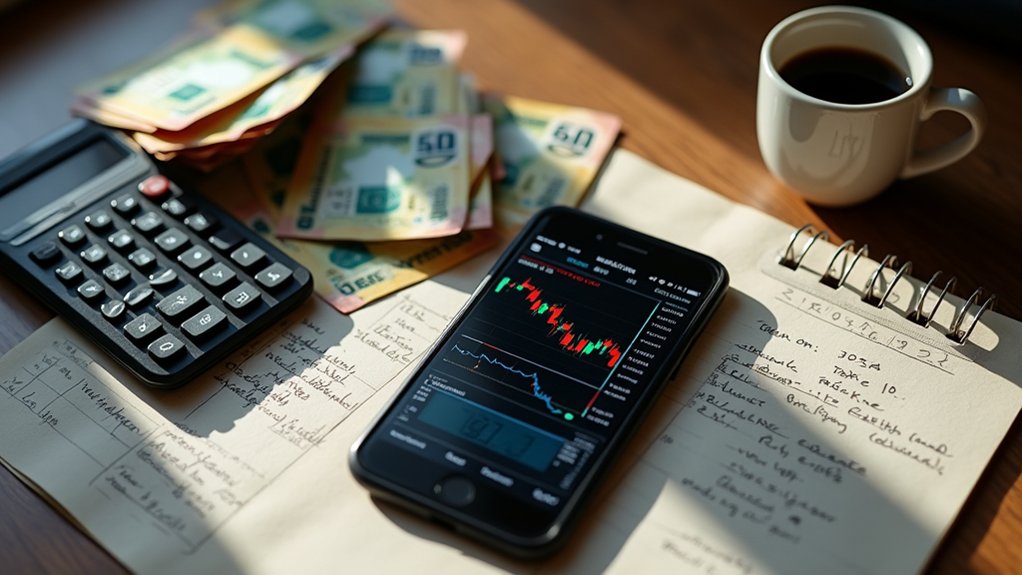
You know who regulates forex? The Reserve Bank of Zimbabwe and the Exchange Control Act control everything. Every transaction goes through RBZ-authorized dealers. Period. No exceptions.
The Reserve Bank of Zimbabwe and Exchange Control Act maintain strict oversight of all forex transactions through authorized dealers only.
Here's how it works: traders buy currencies low, sell high. Simple profit differential. But there's nothing simple about Zimbabwe's forex market. The government controls foreign exchange reserves tightly. Very tightly.
Want to trade? You'll need USD $20 minimum to open an account. Platforms like MT4 and MT5 are available through licensed brokers who've met RBZ capital requirements. Just as Egypt's Financial Regulatory Authority oversees forex activities to protect investors, Zimbabwe's regulatory framework aims to maintain market stability and compliance.
And yes, ZIMRA wants their cut. Profits are taxable income, rates hitting 40% depending on earnings. If you're looking to move money out of the country, you can export up to USD 10,000 in foreign currency without needing special authorization from the RBZ.
Best Time to Trade from Zimbabwe
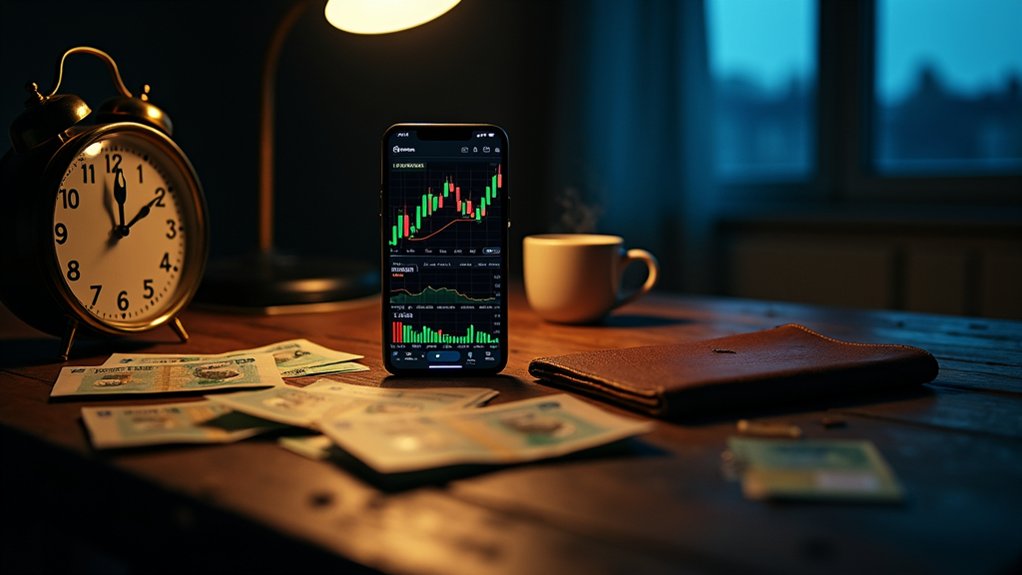
Timing matters more than most Zimbabwean traders realize.
The London session, running 10:00 AM to 6:00 PM CAT, delivers the highest liquidity globally. New York opens at 3:00 PM CAT, creating a three-hour overlap that's basically forex's prime time. That window—3:00 PM to 6:00 PM—sees the most violent price swings.
Tokyo runs 2:00 AM to 10:00 AM CAT with lower volatility, which some traders actually prefer. Successful day trading is directly linked to trading during high activity periods when major market centers operate simultaneously.
The USD/ZAR pair matters given South Africa's economic ties. Mining exports priced in AUD make those pairs relevant too. Understanding forex trading hours by currency pair helps optimize when to trade specific combinations based on their underlying market activity. Markets run 24/5, but profitability clusters during specific hours.
Payments, Deposits and Withdrawals in Zimbabwe
Moving money in and out of forex accounts from Zimbabwe isn't the nightmare it was five years ago, but it's not exactly smooth either.
PayPal works. Bank cards function. Crypto's an option. EcoCash shows up on some platforms—finally, something local that matters.
Minimum deposits? XM (Official Site 🔗) takes $5. Pepperstone demands nothing upfront. Traditional brokers still want $250, roughly Z$80,000.
Withdrawals vary wildly. Exness processes instantly. Others drag their feet through bank wires.
The catch? Everything converts through USD or EUR first. ZWL doesn't exist in forex broker-land. Regional currencies like ZAR get automatic acceptance, which helps South African neighbors more than locals.
If a broker blocks your withdrawal, contact them immediately and escalate to regulatory authorities if the issue persists.
Taxes, Reporting and Money Rules in Zimbabwe
When it comes to forex trading profits in Zimbabwe, the tax situation sits in a gray zone that nobody's quite figured out yet.
But here's what's crystal clear: the Reserve Bank of Zimbabwe doesn't mess around with money movement rules. Exporters surrender 30% of their forex immediately.
Miss the 90-day payment deadline? Enjoy your red-flag status and a 5% penalty fee.
Want to access the official WBWS market? Better have tax clearance certificates ready.
Non-compliance costs 1% of transaction value or USD 100,000, whichever hurts more.
Registration isn't optional for foreign agreements. It's mandatory, tracked, enforced. Currency volatility creates significant financial uncertainty, complicating planning for anyone trying to navigate these rules.
Understanding forex trading regulations in neighboring markets can provide useful context for navigating Zimbabwe's complex framework.
Forex Trading Scams and Risks in Zimbabwe
Zimbabwe's forex trading landscape practically rolls out a red carpet for scammers.
Fake brokers peddle unrealistic returns.
Signal sellers guarantee profits with “proprietary systems.”
Ponzi schemes masquerade as legitimate investments.
About 32% of scams pop up on social media—Facebook, TikTok, Instagram, Telegram.
They promise guaranteed returns, deploy flashy websites, fake testimonials.
The Securities and Exchange Commission of Zimbabwe regulates capital markets under the Securities Act, but no fully regulated forex framework exists yet.
Scammers exploit that gap, preying on inexperienced traders through WhatsApp numbers and unofficial channels.
High-pressure tactics—limited-time offers, repeated calls and emails—create artificial urgency to force quick decisions.
Understanding whether forex trading is legitimate helps beginners distinguish real opportunities from fraudulent schemes.
Zimbabwe Republic Police and Reserve Bank accept reports.
Documentation helps.
Quick Q and A
Can I Trade Forex in Zimbabwe USing US Dollars From My Nostro Account?
Yes, traders can use US dollars from nostro accounts for forex trading with international brokers. However, exchange control regulations require holding foreign currency with authorized dealers and mandate proper documentation for all foreign exchange transactions undertaken.
Do Zimbabwean Brokers Offer Better Spreads Than International Offshore Brokers?
No Zimbabwean-licensed forex brokers currently operate in the market. International offshore brokers like Fusion Markets, FP Markets, and IC Markets dominate, offering competitive spreads from 0 pips, leaving no local alternatives for comparison.
Will My Forex Profits Be Protected Against Zimbabwe's Currency Volatility?
No, forex profits are not protected against Zimbabwe's currency volatility. If converting earnings to ZWL, traders face significant devaluation risk. Keeping funds in USD with international brokers minimizes exposure to local currency instability and forced conversion requirements.
Can I Transfer Forex Earnings to Family Abroad Without Government Restrictions?
No. Family transfers abroad require Reserve Bank of Zimbabwe authorization under exchange control regulations. Traders must submit Form A2, provide tax clearance, justify the remittance purpose, and comply with surrender requirements before approval is granted.
Are Mobile Money Platforms Like Ecocash Accepted for Forex Deposits in Zimbabwe?
Most Zimbabwean forex brokers do not accept Ecocash or mobile money deposits directly due to regulatory and technical constraints. Traders typically fund accounts via bank transfers, international payment processors, or cryptocurrency, though availability varies by broker and compliance requirements.
The Bottom Line
Forex trading in Zimbabwe doesn't fit the narrative outsiders expect. Yes, there's economic chaos. Yes, currency controls exist. But retail traders are still opening accounts, moving money, and accessing global markets—sometimes more easily than the headlines suggest. The gaps between perception and reality are massive. Brokers accept Zimbabwean clients. Platforms work. Transactions happen. It's messy, risky, and complicated, but possible. The obvious story misses what's actually happening on the ground.