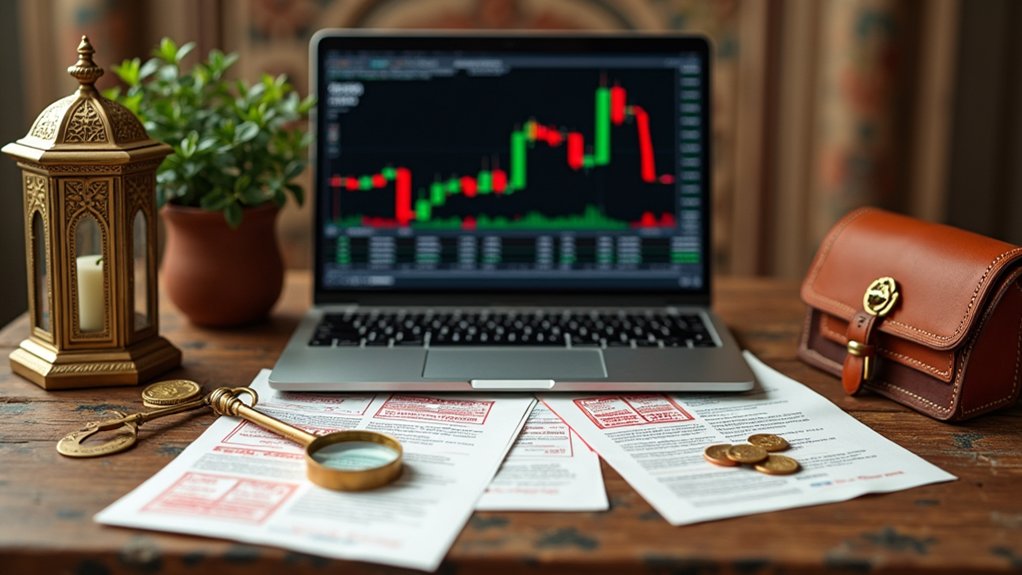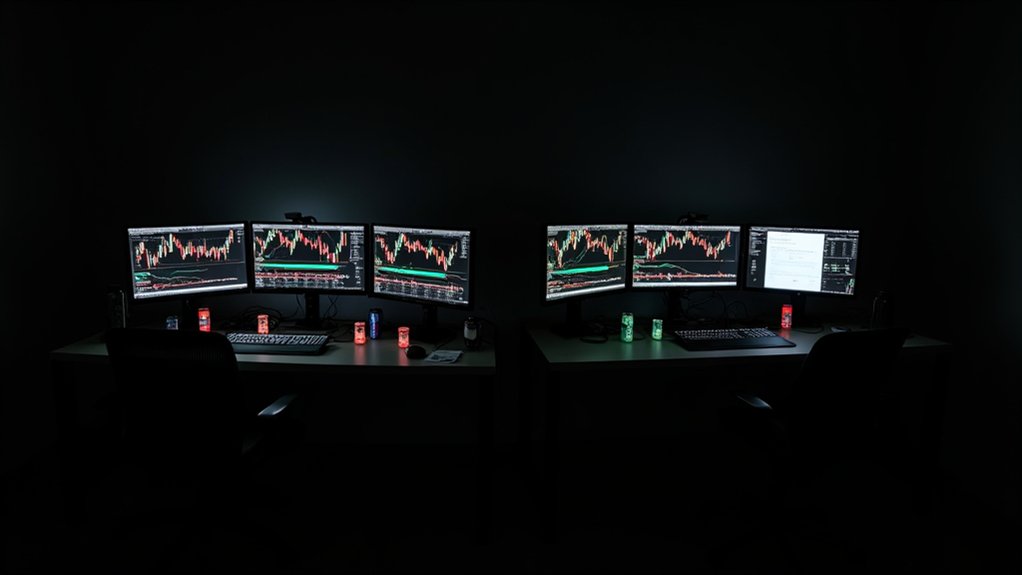

Trading bots exist in a legal gray zone that's somehow both crystal clear and murky as hell. They're legal in most countries, including the US and major trading hubs. The catch? Everything depends on how they operate. Use one for wash trading, spoofing, or front-running, and suddenly it's very illegal.
Exchanges don't make things easier. Some ban bots outright based on internal policies or regulatory pressure. Others allow them but slap on strict rules or approval requirements. Terms of service become a minefield. One platform might welcome automation, another might boot users for the same activity. It's fragmented, inconsistent, and frankly exhausting.

The regulatory challenges are real. Cryptocurrencies are decentralized and global, which means enforcement is a nightmare. AI and trading tech evolve faster than lawmakers can keep up, making regulations outdated before the ink dries. Bots trade 24/7, operating beyond traditional oversight hours. Regulators play catch-up constantly, reacting instead of anticipating. Different countries interpret laws differently, creating a compliance puzzle nobody asked for. Monitoring autonomous bot behavior presents serious technical and enforcement difficulties.
Then there are the risks. Bots can't react to market anomalies the way humans can. They amplify losses during unexpected events. No human oversight means no common sense. And the scam bots? They're everywhere, promising unrealistic returns while draining wallets. Fraudulent sellers hide across borders where prosecution is nearly impossible. Many brokers straight-up warn against using bots without serious trading knowledge. Major platforms like EBS and Reuters Matching rely on sophisticated order matching systems that bots must navigate correctly to avoid execution errors.
Some jurisdictions require licensing and KYC/AML compliance for platforms offering automated trading tools. That's an extra layer of complexity for developers and providers. Personal bot use might fly under the radar, but commercial platforms face additional legal standards.
The future looks like more rules. Regulators will probably demand algorithm transparency and auditability. Certification programs or licenses for bot providers seem inevitable. International cooperation might happen, though don't hold your breath.
For now, anyone using trading bots needs to understand platform rules, avoid market manipulation tactics, and stay current on regulations. Documentation matters if auditors come knocking. Reputable providers with legal track records are the safer bet. But safe doesn't mean risk-free. It never does.