When was the last time anyone got excited about the dollar making a comeback? Probably not since 2022, when the “King dollar” trade was the hottest thing going. But here we are again. US military action against Iran on February 28 triggered a dollar rally, up 1.5% by March 5. The US Dollar Index jumped 3% in February alone, snapping a four-month losing streak that started back in September 2022.
The dollar rallied 1.5% after US-Iran military action, with the index jumping 3% in February and breaking its four-month slide.
The reasons are pretty straightforward. US economic data keeps proving resilient while Europe and Asia cool off. The Federal Reserve looks ready to push rates above 5% because wages and rental costs won't quit. Meanwhile, the US base rate sits at 3.5%-3.75% compared to the ECB's 2.15%-2.40%. That gap matters. Rising rates make the dollar attractive to foreign investors hunting yields, and global capital gets pulled into dollar-denominated assets. These interest rate decisions by central banks create immediate reactions in currency markets as traders adjust their positions based on expected monetary policy shifts.

Sure, the Middle East war plays a role. Safe-haven status returns when things get tense. But this isn't some crisis-driven panic surge. It's more about persistent re-pricing of US relative strength versus the rest of the world. Interest-rate differences, trade flows, global investment demand, and inflation expectations drive these movements. Not fear alone.
History suggests caution, though. Three countertrend rallies in previous dollar bear markets averaged just 8.2% gains over three months. The dollar fell in 2025 but stayed flat in 2026 after early strength. Long-term? A modestly weaker dollar seems likely as other central banks like the ECB, BOJ, and BOE firm up their policies. Potential Fed rate cuts in 2026 could narrow those interest rate differentials.
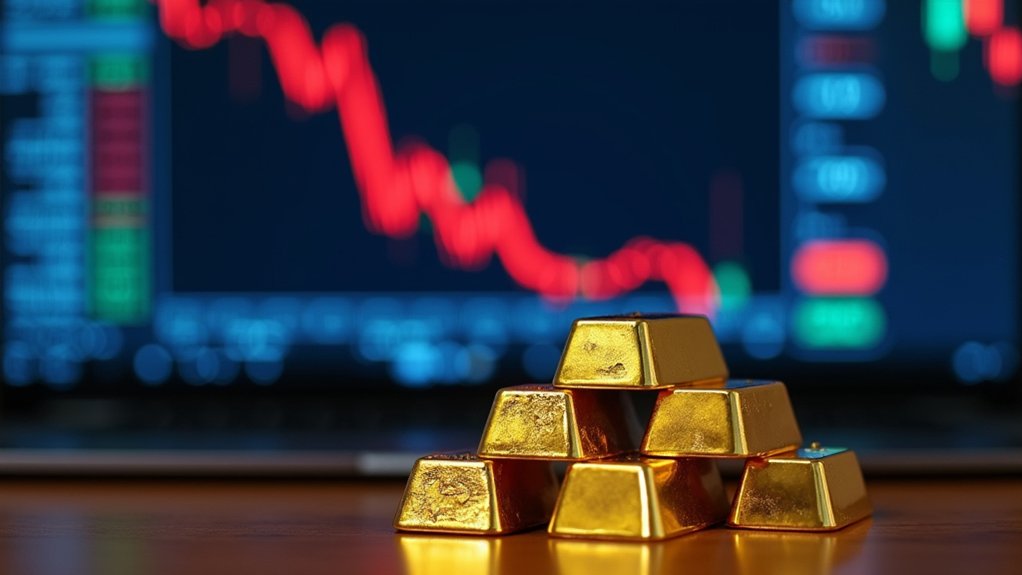
What does this mean for markets? Rising dollar? Bad news for emerging markets and commodities. A firmer dollar tightens conditions for gold, industrial metals, energy. The declining dollar in 2025 boosted non-US stocks like European and Asian equities. Foreign stocks outperformed US stocks thanks to currency conversion gains. If this dollar bounce has legs, that outperformance gets challenged.
The dollar's comeback looks real for now. Five solid reasons support it. But calling it permanent? That's another story entirely. Beyond central banks and institutional investors, retail traders now account for a growing share of daily forex market activity, adding volatility to currency movements. For those considering participating in foreign exchange trading, understanding both the potential rewards and inherent risks remains essential in today's volatile currency landscape.