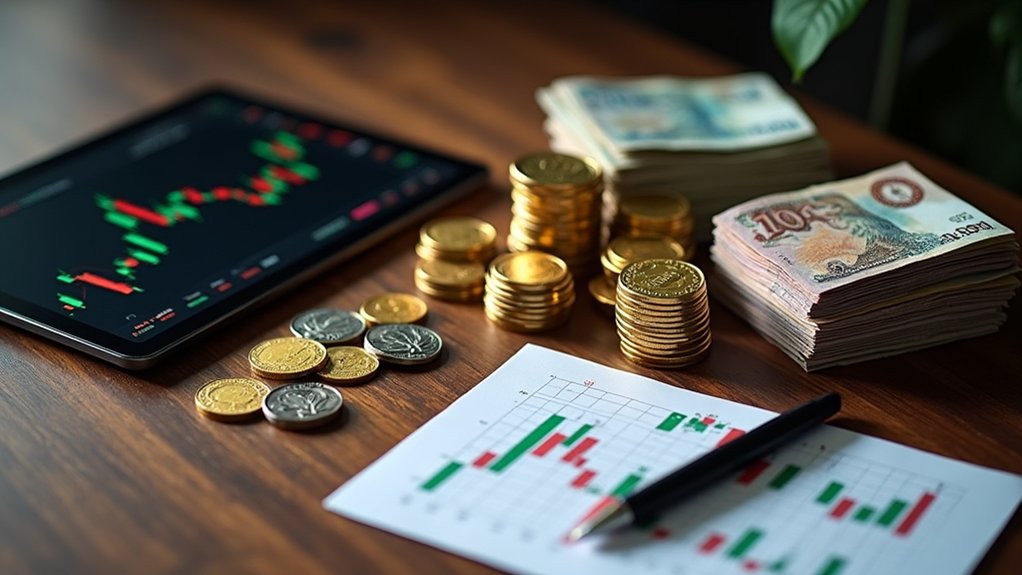
Interest rate decisions trigger immediate currency moves—rate hikes strengthen a country's currency as capital floods in seeking better returns, while cuts weaken it as investors flee elsewhere. Central banks like the Fed or ECB can shift major pairs several percentage points within minutes of announcements. African currencies face amplified swings due to wider spreads and limited liquidity. Rate differentials fuel carry trades and institutional reallocation. The volatility isn't random—it's calculated chaos that catches slower traders off guard, and understanding the mechanics separating winners from those watching profits evaporate.
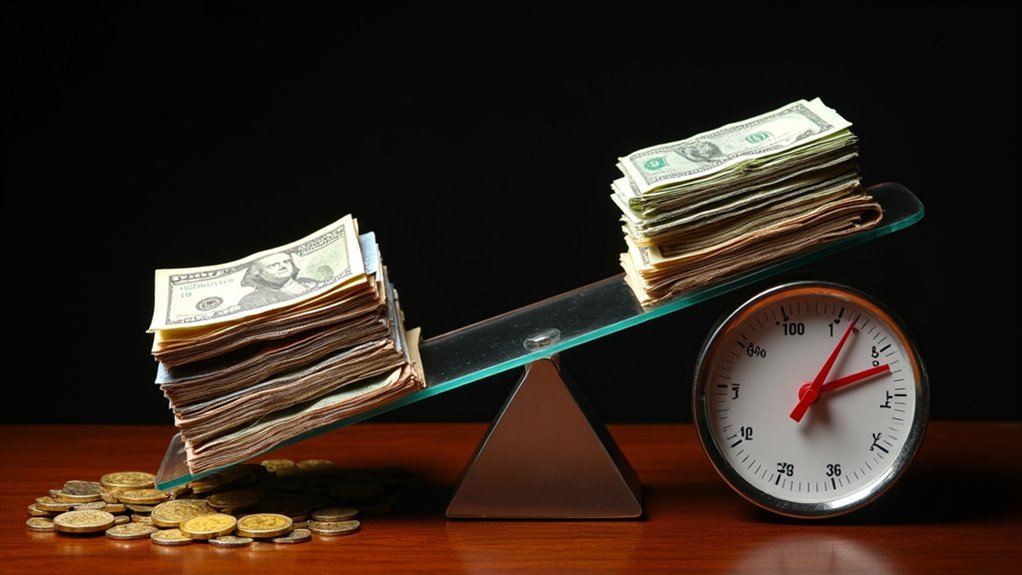
In the world of forex trading, interest rates don't just matter—they move markets. Across Africa, where traders juggle volatile currencies and limited access to global liquidity, understanding how central banks fiddle with rates isn't optional. It's survival. When the South African Reserve Bank hikes rates, the rand doesn't politely adjust. It jumps. When Egypt's central bank cuts, the pound slides faster than a Lagos okada in rush hour. These decisions trigger immediate chaos in forex markets, and African traders watching USD/ZAR, USD/NGN, or EUR/EGP pairs feel it in real time.

Central bank rate decisions don't nudge African currencies—they detonate them, turning survival instinct into the only trading edge that matters.
Higher interest rates typically make a currency more attractive. Simple logic: investors want better returns. They dump lower-yielding currencies and pile into the one offering fatter interest. That demand pushes the currency up. It's why the US dollar has repeatedly crushed emerging market currencies when the Fed raises rates. Nigerian traders know this pain well. Every Fed hike sends the naira tumbling further, making dollar-denomiated debt heavier and forex trading more expensive for retail accounts in Lagos or Abuja.
Lower rates do the opposite. They kill demand. Why hold Egyptian pounds earning next to nothing when you can chase South African rand or Kenyan shillings with better yields? Capital flows out. Currency drops. It's mechanical, almost predictable. Except when it isn't. Surprise rate cuts or hikes—moves the market didn't expect—cause even bigger swings. Volatility spikes. Stop losses get triggered. Accounts blow up.
Central banks use interest rates to manage inflation and currency stability, or at least they claim to. The Bank of Ghana raises rates to fight cedi depreciation. The Central Bank of Kenya adjusts to cool inflation. These aren't abstract policy discussions. They're the difference between a profitable forex trade and a margin call. African traders monitor central bank calendars like exam schedules because one announcement can wipe out weeks of gains. Interest rate cycles tend to reverse after extended trends, forcing traders to constantly reassess their positions. The monetary policy announcements themselves create windows of extreme volatility where currencies can move several percentage points in minutes. Through foreign exchange intervention, central banks can directly buy or sell currencies to influence valuations and counter disruptive market movements. Beyond interest rates, the Bank of Ghana deploys various monetary policy tools and regulatory functions to stabilize the cedi and manage forex market conditions.
Interest rate differentials between countries create the backbone of many forex strategies. Wide spreads between, say, South Africa and the eurozone attract carry traders looking to profit from the gap. Major pairs like USD/EUR and USD/JPY react violently to rate changes from the Fed, ECB, or Bank of Japan. But in Africa, where currencies aren't always freely traded and spreads are wider, the impact hits harder and faster. Institutional traders adjust positions the instant rate announcements hit the wire, leaving slower retail traders scrambling. When weaker dollar policies emerge from rate cuts, capital outflows toward emerging markets accelerate as investors hunt for riskier opportunities with better returns.
Rate hikes can strengthen a currency but also choke economic growth. Rate cuts stimulate spending but risk inflation and weaker exchange rates. African economies, often caught between debt obligations and inflation crises, face brutal trade-offs. And forex traders? They just ride the waves, hoping not to drown. SARB's policy decisions shape not only the rand's trajectory but also set the tone for broader regional currency movements across southern Africa.
Common Questions
How Do African Central Bank Rate Decisions Compare to US Federal Reserve Moves?
African central banks operate in survival mode compared to the Fed's careful balancing act. Zimbabwe fights hyperinflation with 35% rates, Nigeria sits at 27%, while South Africa's 7% looks almost Western at 7%. The US Federal Reserve? A comfortable 4.25%.
African banks jack up rates to stop currency collapse and runaway inflation—growth be damned. The Fed tweaks rates like a thermostat. It's not even the same game. One's putting out fires, the other's maintaining room temperature.
Which African Currency Pairs Are Most Volatile During Interest Rate Announcements?
USD/ZAR leads the pack, with volatility spiking 186% in the first ten minutes after South African rate news.
USD/NGN and USD/KES also swing hard during local announcements as capital rushes in or out.
USD/EGP has gotten wild lately thanks to inflation fears and capital controls.
Even CFA Franc pairs like EUR/XOF jump during Eurozone decisions, despite being pegged.
High-yield currencies crash more often when rates surprise the market.
Can Nigerian Traders Access Real-Time Data on Bank of Ghana Rate Decisions?
Yes, Nigerian traders get real-time access to Bank of Ghana rate decisions—no geo-blocks, no paywalls. The central bank posts updates immediately after each Monetary Policy Committee meeting on its official site.
Trading Economics, FX Empire, and Myfxbook replicate the data within minutes, often with push notifications. APIs and mobile apps deliver instant feeds.
Cross-border data flow works fine here. Transparency is solid, latency is low, and the information hits screens fast enough for live GHS/NGN trading.
Do South African Interest Rates Influence Other SADC Member Currencies Significantly?
Yes, massively.
South Africa's interest rate moves ripple through the entire SADC region whether members like it or not.
The rand's appreciation against the dollar since 2008 directly jacked up prices in Zimbabwe, Botswana, and Mozambique.
CMA countries—Lesotho, Namibia, and Eswatini—get zero monetary independence.
Their currencies stay pegged to the rand.
When the South African Reserve Bank adjusts rates, those countries just absorb the impact automatically.
No choice involved.
How Do Capital Controls in Zimbabwe Affect Forex Reactions to Rate Changes?
Capital controls in Zimbabwe basically kill the normal forex response to rate changes. The RBZ rations foreign currency through administrative allocation, not market forces, so interest rate shifts barely move the needle. Surrender requirements force exporters to hand over 30% of earnings, and repatriation needs prior approval—every time.
Result? Investors can't easily react to policy changes by moving money in or out. The parallel market thrives instead, ignoring official rates entirely.