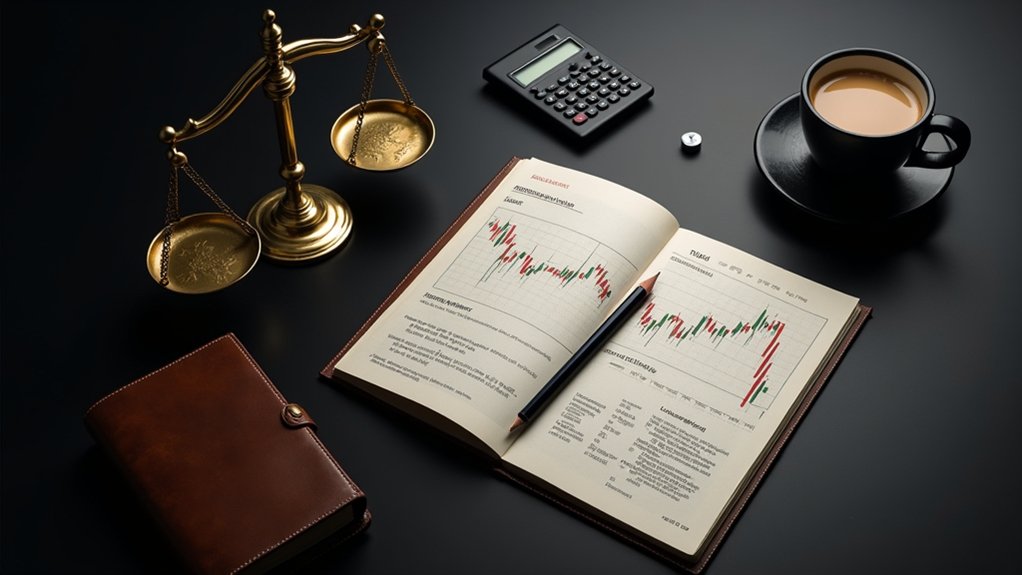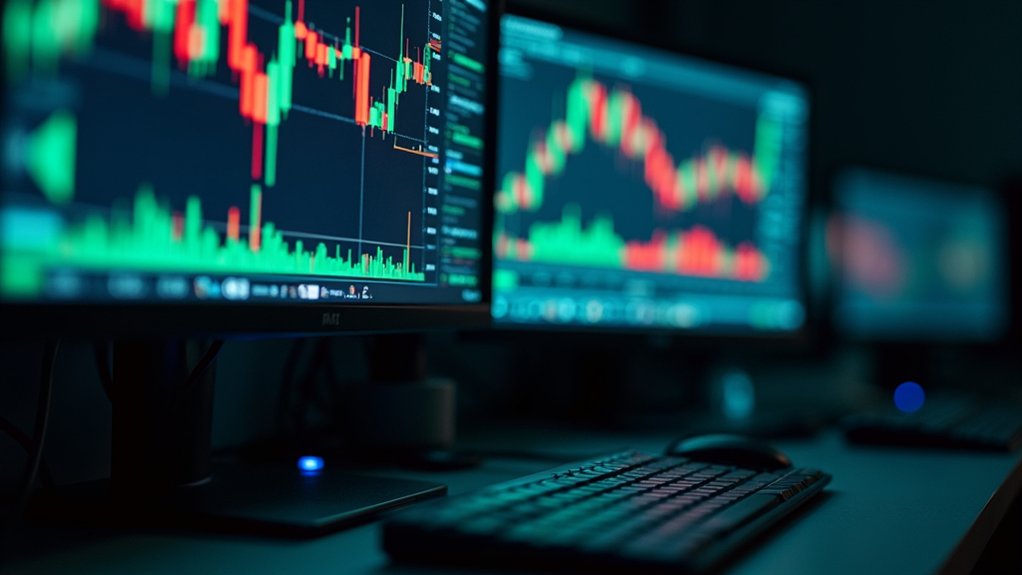

The get-rich-quick crowd loves forex trading. They see those flashy ads promising overnight wealth and think they've found the magic ticket. Reality check: it's not happening. Forex demands dedication, discipline, and a deep understanding of market dynamics. Successful traders spend years honing their skills, implementing strategies, and managing risk through painful trial and error. Not everyone makes significant profits. This isn't a shortcut. It's work.
Forex isn't your lottery ticket to instant wealth—it's years of discipline, strategy, and hard-earned expertise through relentless trial and error.
Then there's the gambling myth. People love comparing forex to rolling dice at a casino. Wrong. Trading relies on technical analysis, fundamental analysis, risk management, and strategic decisions. Traders analyze charts, study economic indicators, and use tools like stop-loss orders to make informed choices. Forex operates on probability through market study. Gambling depends on pure luck against the house.

Strategic decision-making considers market analysis, economic indicators, and geopolitical events, not chance. High volatility exists, sure, but informed choices distinguish it from random outcomes. Unlike gambling where the house edge ensures losses over time, skill-based trading allows traders to develop and refine approaches that improve their probability of success.
The capital myth needs addressing too. Many assume you need massive amounts of money to start trading. Not true. Leverage allows control of larger positions with smaller capital. Risk management and prudent position sizing matter regardless of account size. Trading is possible with minimal funds via leverage, though higher leverage heightens risk levels dramatically. High leverage amplifies profits and losses equally.
Market manipulation fears run rampant. The forex market trades over six trillion dollars daily as of 2023. That's not easy to manipulate. Its global nature, macroeconomic events, and trader unpredictability make currency rates hard to control. Regulated environments with transparency measures counter rigging attempts. Large entities influence movements, but individual success remains achievable through knowledge and strategy.
Finally, technical analysis isn't perfect. Relying solely on indicators leads to irrational decisions. Balanced approaches incorporating fundamental factors like economic indicators prove more effective. Indicators provide information, not automatic signals. Traders must interpret context. Moving averages show price trends, but require perspective beyond mechanical interpretation.
No trading system guarantees consistent profits. Losses are inherent. Thorough testing via backtesting and real-time monitoring remains essential. Systems must adapt to market conditions. Inflexible ones fail. Understanding the realistic profit expectations in forex helps traders avoid falling for exaggerated claims and focus on sustainable trading practices. The currency market speculation environment rewards those who approach it with realistic expectations rather than fantasies of instant wealth.