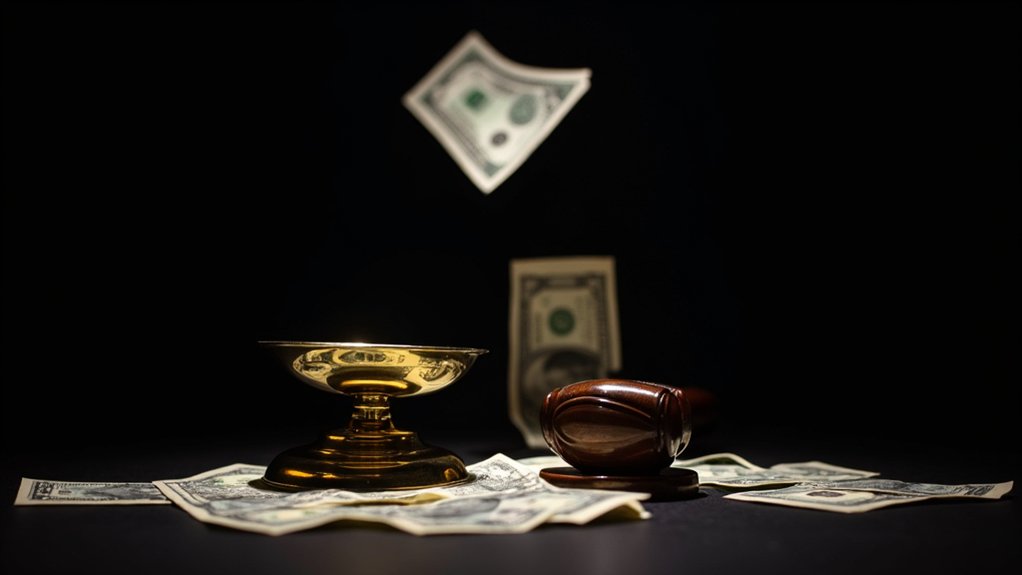
Forex trading is technically legal in Comoros, but calling it “regulated” is generous. The Mwali International Services Authority issues licenses with laughably light requirements—around €50,000 in capital and a business plan—yet carries zero international credibility. No FCA, no ASIC, no real oversight. Scammers flood the zone with fake brokers, insane leverage, and guaranteed-return promises. Locals trade anyway, chasing evening liquidity spikes when London and New York overlap. The setup is dangerous, the recourse minimal, and the whole operation makes a Wild West saloon look orderly—but the screens keep glowing and the details tell the full picture.
Quick Facts That Matter
- Comoros forex regulation is fragmented and light-touch, with MISA carrying zero international weight compared to recognized authorities like FCA or ASIC.
- Licensing requires ~$54,000 capital and local office setup, but weak oversight creates a regulatory vacuum enabling fraud and chaotic trading conditions.
- Retail trading volumes remain undocumented; sparse data coverage means most trader activity and platform usage occurs behind the screens.
- Evening trading (4:00-8:00 PM) captures optimal London-New York overlap; no capital gains tax applies but infrastructure limitations hamper payment processing.
- Scams proliferate through fake MISA registrations, insane leverage offers, guaranteed returns, lifestyle marketing, and ultimately blocked withdrawals for victims.
Overview: Forex Trading in Comoros

In the scattered archipelago of Comoros, forex trading exists in something of an information void. The data simply isn't there. No reliable figures on trading volumes, no clear picture of broker operations, nothing concrete about platform usage or market participation. Economic statistics? Sure, those exist—GDP numbers, trade balances, foreign exchange reserves.

But actual forex trading activity by retail traders? That's a different story. The gap between general economic data and specifics about how individual Comorians engage with currency markets is wide. Really wide. The nation holds a mere 0.002 percent of world foreign exchange reserves, a figure that has remained constant since 2022. Understanding how economic growth affects currency valuations remains crucial for anyone attempting to navigate forex markets, even in data-scarce environments. Organizations like the Hong Kong Trade Development Council provide free business information on global markets, though specific coverage of Comoros remains limited. What's happening behind those screens remains largely undocumented.
Is Forex Trading Legal in Comoros?

Yes, forex trading is legal in Comoros—technically. The archipelago's three autonomous islands each run their own show. MISA handles Mohéli with a famously lenient touch. AOFA oversees Anjouan's offshore operations. The Central Bank of Comoros supervises banking institutions. Then there's DNMF licensing financial firms and SICAF conducting audits. It's legal, sure, but “legal” here means navigating a fragmented regulatory maze across islands.
Unlicensed operations violate local law. Licensed brokers must follow Anti-Money Laundering rules, segregate client funds, maintain minimum capital around €50,000, and submit to regular financial reporting. The Ministry of Finance and Budget controls licensing and guarantees legal compliance and stability. Authorization covers managing client funds, providing investment advice, and custodial services. Traders seeking more established oversight often look to jurisdictions like the Financial Services Authority of Seychelles, which provides clearer regulatory frameworks for forex brokers. Legal doesn't always mean straightforward.
Who Regulates Forex Trading in Comoros?

Knowing forex trading is legal doesn't answer the obvious question—who's actually running the show? The Mwali International Services Authority (MISA) handles forex regulation from Mohéli island.
MISA runs forex regulation from Mohéli island—straightforward oversight without the bureaucratic nightmare of major jurisdictions.
They care more about solid business plans than massive capital requirements. Pretty straightforward compared to tier-one jurisdictions.
The Banque Centrale des Comores oversees broader financial stability.
MISA's approach? Light-touch regulation with lenient requirements. Processes can be handled remotely. Government's actually responsive.
Each of Comoros' three islands maintains separate regulatory authority. On Anjouan, the Anjouan Offshore Finance Authority regulates forex providers and the offshore financial sector.
MISA established frameworks recognized globally to promote financial sector integrity. The Commission of Securities and Exchange also plays a role in overseeing capitalization entities and maintaining securities market transparency. Not exactly the SEC, but they're there.
This regulatory structure contrasts with jurisdictions like Mauritius, where the Financial Services Commission maintains comprehensive oversight of both retail and institutional trading activities.
How Forex Trading Works in Comoros

Trading forex in Comoros requires steering a licensing system that's surprisingly formal for a tiny island nation. Brokers need company registration, a local office, and roughly $54,000 in capital—not exactly pocket change. The Central Bank oversees everything, though Mohéli's MISA takes a more relaxed approach.
Directors get vetted. Criminal records matter. Application fees hit $4,000, with annual maintenance around $2,500.
Once licensed, brokers must segregate client funds, implement AML procedures, and maintain accurate records. It's a real regulatory framework, complete with audits and dispute mechanisms. For Comoros, the paperwork is legitimate.
Best Time to Trade from Comoros

From Comoros, the forex market clock isn't exactly friendly. London opens at 11:00 AM local time—manageable. New York fires up at 4:00 PM and runs past midnight. The sweet spot? That four-hour overlap from 4:00 to 8:00 PM when both sessions collide, spreads tighten, and liquidity explodes. EUR/USD and GBP/USD come alive.
Morning people get stuck with the Asian session—Tokyo at 3:00 AM, Sydney closing at 10:00 AM. Lower volume, but USD/JPY moves. Understanding optimal trading hours for specific currency pairs helps you maximize opportunities during these limited windows. Most traders in Comoros end up working evenings. No choice, really. That's when the money flows.
Payments, Deposits and Withdrawals in Comoros
Moving money in and out of Comoros for forex trading?
BDSwiss accepts international e-wallets, credit cards, debit cards, and bank transfers.
Fusion Markets ranked as best forex broker in Comoros for 2025.
Alpari also operates there.
The Wise Multi-Currency Card works for everyday spending—no conversion headaches.
StoneX handles cross-border payments in 140+ currencies if needed.
Reality check: most brokers demand international payment rails because local banking infrastructure remains patchy.
Cards and e-wallets dominate deposits.
Wire transfers? Slow and expensive.
Withdrawals mirror deposits—same methods, same friction.
Bank transfers remain one of the most secure payment methods despite their slower processing times and higher fees.
No magic shortcuts exist for Comorian traders steering through global forex markets.
Taxes, Reporting and Money Rules in Comoros
When it comes to taxes in Comoros, forex traders land in surprisingly soft territory. Capital gains? Zero. That's right—profits from currency trades face no direct capital gains tax.
Personal income runs progressive from 0% to 30%, but most retail traders won't trigger the higher brackets unless they're pulling serious volume.
Non-residents only pay tax on domestic income, which forex profits typically aren't.
VAT sits at 20% generally, but financial services get exempt status. No complex reporting hoops either. The system stays lean, almost suspiciously simple compared to Western tax labyrinths.
However, traders should still understand the regulatory standards that govern forex activities to ensure full compliance with local financial laws.
Forex Trading Scams and Risks in Comoros
The forex market in Comoros operates in a regulatory vacuum that would make a Wild West saloon look well-policed.
Ponzi schemes masquerade as legitimate trading platforms.
Fake brokers claim registration with the Mwali International Services Authority, which carries zero international weight.
Brokers like DuraMarkets and Evermarketsfx operate without FCA, ASIC, or CySEC oversight, yet offer insane 1:1000 leverage ratios.
Corrupt officials enable the chaos.
Scammers flood social media with fake lifestyle posts and bogus signal services.
Red flags appear everywhere: guaranteed returns, pressure tactics, unsolicited contact.
The entire setup screams danger, but traders keep jumping in anyway.
When victims attempt to recover their funds, many discover their broker has blocked withdrawals, leaving them with little recourse beyond filing complaints with regulatory authorities or pursuing legal action.
Quick Q and A
Can Comorian Residents Trade Forex With Brokers Based Outside the Country?
Comorian residents can trade forex with international brokers, as no explicit prohibition exists. However, they may access onshore-licensed brokers regulated by island authorities or MISA for domestic client protection, segregated funds, and compliance with local AML requirements.
What Internet Speed Is Needed for Reliable Forex Trading in Comoros?
Forex trading requires minimum 1-2 Mbps download speed, making Comoros' average 5.7-8.99 Mbps broadband adequate. However, low upload speeds (0.1 Mbps) and high latency (324ms) may cause order execution delays for retail traders in Comoros.
Do Comorian Banks Allow International Transfers to Offshore Forex Brokers?
Specific policies of Comorian banks regarding international transfers to offshore forex brokers are not publicly documented. Traders should directly contact their local banks and verify compliance requirements, transfer limits, and any restrictions before attempting such transactions.
Are There Local Forex Trading Communities or Mentors Available in Comoros?
Information about local forex trading communities or mentors in Comoros is extremely limited. The country's small trading population and nascent forex market suggest organized communities are scarce, though some traders may connect informally through online platforms or social media.
Which Currency Pairs Are Most Profitable for Traders in Comoros?
No specific profitability data exists for Comorian traders. Generally, majors like EUR/USD, GBP/USD, and USD/JPY offer liquidity and tighter spreads. Profitability depends on individual strategy, risk management, and market conditions rather than location alone.
The Bottom Line
Forex trading in Comoros exists in a gray zone—no clear laws, no local regulators, spotty internet, and zero official guidance on taxes. Traders wing it with offshore brokers, hoping their withdrawals actually arrive. The opportunity is real. So are the risks. Most Comorians jump in underprepared, chasing quick money in a market that doesn't care about island connectivity or the Comorian franc. It's the Wild West with leverage and smartphones.