Bank wires top the safety rankings because major institutions carry deposit insurance, regulatory oversight, and strict anti-money laundering checks that other methods can't replicate. E-wallets like Skrill and Neteller offer encryption, two-factor authentication, and identity verification—solid protection for traders who value speed. PayPal operates under licenses in over two hundred countries with 24/7 fraud monitoring, though fees bite harder than most alternatives. Credit and debit cards provide instant funding plus chargeback mechanisms, while cryptocurrency gateways deliver privacy at the cost of price volatility. Each method trades off speed, cost, and security in different ways worth exploring.
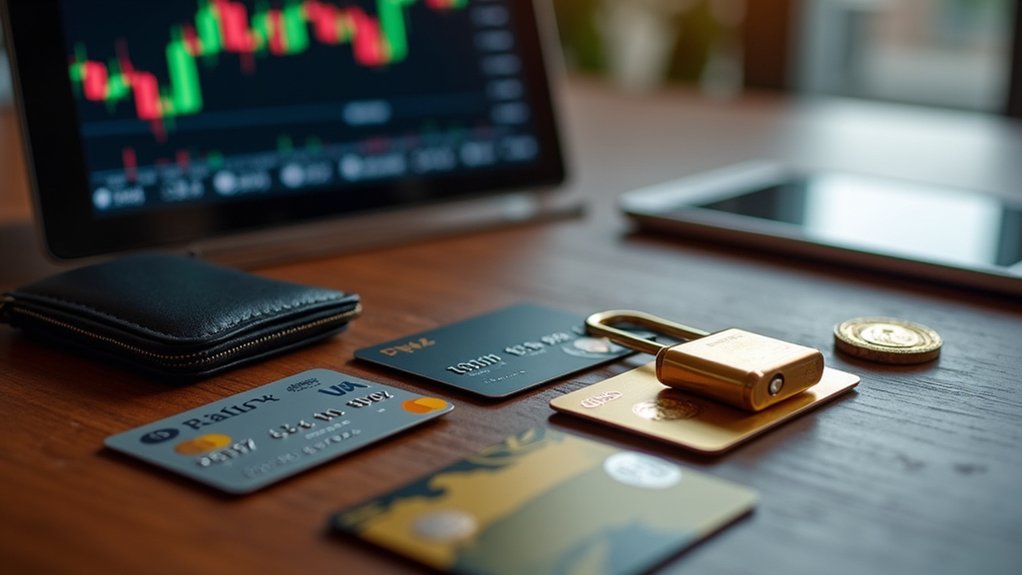
Across Africa, forex traders face a minefield when it comes to moving money. Regulators might be lax in some countries, tight in others, and banks can drag their feet or outright refuse transfers tied to forex accounts. Yet brokers still need to get paid, and traders need methods that won't vanish into thin air or cost half their deposit in fees. That's where payment gateways enter the picture, each with its own quirks and guardrails.

Bank wire transfers remain the gold standard for acceptance. Nearly every regulated broker on the planet takes them. The money flows directly between your bank and the broker's, no middleman skimming profits or adding layers of risk. Major banks insure the funds and run them through strict Anti-Money Laundering checks, which can feel invasive but does cut down on fraud. Expect one to three business days for the transfer to clear, sometimes faster if both accounts sit in the same country. It's slow, sure, but reliable. No upper transaction limits make wires particularly suitable for traders moving larger sums.
E-wallets like Skrill, Neteller, Finrax, ThunderXpay, and LetKnow Pay offer speed that wires can't match. Deposits land instantlyly withdrawals process fast, and you can trade the same day you fund your account. They use encryption, two-factor authentication, and identity verification to keep transactions locked down. Many support multiple currencies and even crypto, with fees often lower than what banks charge. Regulated brokers accept them worldwide, so consistency isn't a problem. Skrill also provides chargeback protection that adds another security layer for traders concerned about disputed transactions. When withdrawing profits, traders should verify their account to minimize withdrawal fees and reduce processing delays.
PayPal brings heavyweight fraud protection and operates under licenses in over two hundred countries. Transfers can happen instantly or within a day, and your bank details stay hidden from the broker. The trade-off? Fees run higher than most e-wallets or wires, especially when crossing borders. Still, the twenty-four-seven transaction monitoring and buyer protection policies appeal to traders who want an extra safety net.
Credit and debit cards, processed through gateways like Stripe, Visa, or MasterCard, fund accounts instantly. Fraud prevention tools are baked in, and if something goes sideways, chargeback mechanisms provide recourse. Just watch for cash advance fees or processing charges that card issuers might tack on. Understanding the spread between prices helps traders calculate true transaction costs once their funds clear and they begin placing trades. Traders should also be aware that brokers may apply spread markup to raw market spreads, effectively raising the cost of each trade beyond the payment processing fees.
Cryptocurrency gateways such as B2BinPay settle transactions rapidly across blockchains and dodge traditional banking delays entirely. Some brokers support three hundred-plus coins. Privacy is stronger, barriers are lower for cross-border moves, but coin values can swing wildly between deposit and conversion. Every method carries trade-offs. Speed, cost, privacy, and security shift depending on which route a trader picks. Before committing funds to any payment method, beginners should review broker regulation status to confirm the platform adheres to proper licensing requirements.
Common Questions
Can I Use Mobile Money Like M-Pesa for Forex Deposits in Kenya?
Yes, M-Pesa works for forex deposits in Kenya. It's actually one of the most popular methods because it's fast and accessible.
Minimum deposits usually start around KES 2000, and processing is instant. Some brokers like FXPesa don't charge extra fees for M-Pesa transactions, which is nice.
Just watch out for currency conversion fees if your trading account isn't in KES. The Capital Markets Authority regulates brokers here, so using M-Pesa with a CMA-licensed broker keeps things safer and legal.
Do South African Banks Block Transactions to Offshore Forex Brokers?
Yes. South African banks absolutely block transactions to offshore forex brokers—and they don't mess around. They're legally bound as Authorised Dealers to enforce exchange control rules.
If you try pushing payments past your R1-million Single Discretionary Allowance or skip getting a Tax Compliance Status PIN, expect your card to bounce or your transfer frozen. SARB's Financial Surveillance Department watches this stuff closely.
Banks report suspicious activity, and penalties range from 10% to 40% of the transaction amount.
Are Cryptocurrency Payments Safer Than Bank Transfers for Nigerian Traders?
Neither method is perfectly “safe” for Nigerian traders—it depends on what scares you more.
Bank transfers offer regulatory protection, chargebacks, and legal recourse if something goes sideways. Crypto? Fast, cheap, no middleman interference.
But irreversible, prone to wallet hacks, and the regulatory ground keeps shifting in Nigeria. The CBN flipped its stance recently; licensed banks can now play ball with crypto businesses.
Still, one wrong click with crypto and your money vanishes forever. Banks won't let that happen as easily.
Which Payment Method Has Lowest Fees for Ghanaian Forex Withdrawals?
Cash-funded foreign currency accounts deliver zero withdrawal fees at major Ghanaian banks like FBNBank Ghana. That's the winner. Bank of Ghana exempts physical cash deposits from the standard 5% withdrawal fee that hammers electronically funded accounts.
Offshore transfers or cheques trigger 2.5% fees plus regulatory reporting headaches. SWIFT transfers cost 0.75% plus $40 in bank charges.
Mobile money? Variable and rarely competitive. The bureaucracy rewards old-school cash deposits—literally walking money into the bank—because it's trackable and discourages speculative withdrawals.
Can I Deposit in Local Currency or Must I Convert to USD?
Most brokers let African traders deposit in local currency—no forced USD conversion upfront. Nigerian naira, Ghanaian cedis, Kenyan shillings, South African rand? Often accepted directly.
The catch: brokers usually auto-convert deposits to the account's base currency (typically USD, EUR, or GBP), and that's where conversion fees bite. Some platforms offer multi-currency accounts, letting traders pick their base currency during setup. Smart move to dodge double conversions.
Check the broker's supported currencies and conversion rates before funding—fees vary wildly across platforms and payment processors.