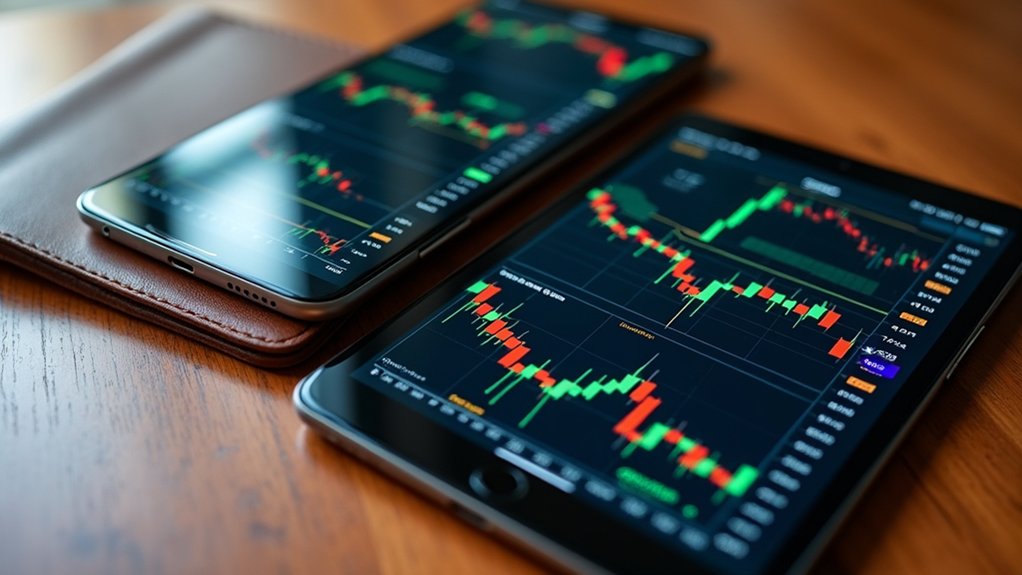

Discipline separates forex survivors from statistics. Most African traders blow accounts within six months—not because of bad internet or faulty charts, but because they lack structured plans and chase gut feelings instead of analysis. Disciplined traders stick to risk management rules, use stop-losses religiously, and control emotions like fear and greed. They treat position sizing as mandatory, not optional math. They wait for quality setups instead of trading out of boredom. The difference shows up fast: disciplined traders are thirty percent more likely to achieve long-term profitability, while emotional traders become cautionary tales.
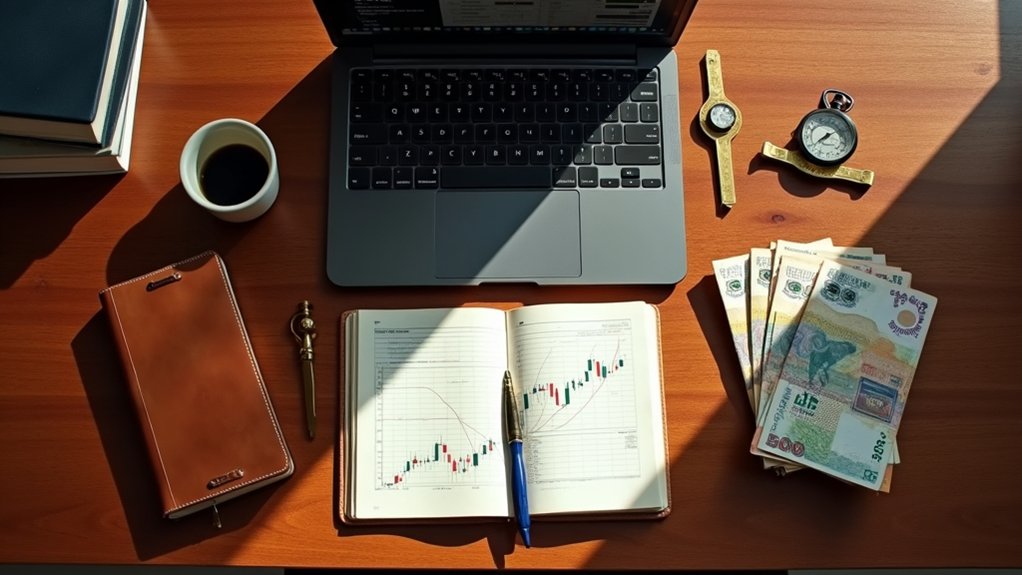
Despite having access to the same charts, indicators, and broker platforms as traders anywhere else, most African forex traders still blow up their accounts within the first six months. The reason isn't lack of internet speed or poor chart resolution. It's discipline. Or rather, the complete absence of it.

Discipline in forex means sticking to a structured plan based on analysis, not gut feeling or the WhatsApp signals group your cousin invited you to. It's about consistency, patience, emotional control, and accountability. Nothing sexy about it. But it's the fundamental differentiator between traders who survive and those who fund other people's profits.
Discipline isn't exciting, but it's the only thing separating surviving traders from those funding everyone else's profits.
The statistics are blunt. Disciplined traders are thirty percent more likely to achieve long-term profitability compared to emotional traders. That's not a small margin. Yet from Lagos to Nairobi, Johannesburg to Cairo, traders keep making the same mistakes. They chase the South African rand after a single news headline. They overtrade the Nigerian naira pairs because they're “more familiar.” They ignore their stop-loss on Egyptian pound positions because “it will come back.”
This is where discipline becomes tangible. Risk management rules exist for survival, not decoration. That one percent risk per trade limit? It's there to protect capital when the Kenyan shilling does something unexpected or when your Ghanaian cedi analysis completely misses the mark. Stop-loss orders aren't suggestions. Position sizing isn't optional math. These rules prevent the large drawdowns that end trading careers before they start. Effective capital preservation strategies ensure that traders can withstand losing streaks without depleting their accounts entirely.
Emotional control separates the survivors from the statistics. Fear, greed, hope—these emotions hit harder when you're trading with capital that could pay rent in Accra or school fees in Kampala. The stress during market volatility becomes paralyzing. Traders enter positions impulsively, exit too early, or hold losing trades too long. All because emotions override the plan. Checklists before trades prompt critical questions about whether a setup is genuinely valid or simply driven by emotional motivation.
Structure helps. Daily routines matter. Preparation before markets open, execution during trading hours, review afterward. Trade journals track what actually happened versus what emotions claimed happened. This feedback loop exposes patterns, both good and catastrophic. It prevents the reactive trading that drains accounts. Maintaining a trading journal creates systematic documentation that reveals behavioral patterns and performance metrics invisible during the heat of live trading. Avoiding over leveraging protects traders from catastrophic losses that can wipe out months of gains in a single poorly managed position. Beginners can develop these disciplined habits by accessing free educational resources that teach proper methodology without requiring upfront financial investment.
Patience is discipline's quiet partner. Waiting for proper setups instead of trading out of boredom or FOMO. Not every hour needs a trade. Not every currency pair movement demands action. Quality over quantity isn't just a motivational poster phrase—it's survival strategy. Setting alerts for trade setups allows traders to step away from screens until proper confirmation arrives, reducing the temptation to force trades that don't meet criteria.
Markets reward consistency and capital preservation. Single wins mean nothing. Discipline means everything. That's the truth across fifty-four African countries, whether traders want to hear it or not.
Common Questions
How Do African Traders Maintain Discipline During Frequent Power Outages?
African traders keep discipline alive through brutal preparation. They set stop-losses and take-profits before the lights go dark—because they know it's coming.
Many switch to swing trading instead of scalping, giving themselves breathing room when NEPA or ZESCO decides to vanish. UPS systems buy precious minutes to close positions. Some join co-working spaces with generators.
Others lean hard on trading journals and strict risk rules—emotional discipline becomes survival when the grid can't be trusted.
Can Trading Psychology Books Help With Discipline in Volatile African Currency Pairs?
Trading psychology books can sharpen discipline, but they're written for Western markets with stable power and internet. An Egyptian trader reading Mark Douglas while dealing with pound devaluation faces different demons than the book addresses.
The concepts work—separating emotion from execution, building rule-based systems—but applying them to naira or cedi volatility requires translation. Books provide the framework. African traders must adapt it to currency pairs that swing 5% overnight and brokers who vanish during crises.
Does Using Mobile Money for Deposits Affect Trading Discipline in Africa?
Mobile money's instant deposit feature is a double-edged sword for African traders. The same convenience that empowers the unbanked—856 million accounts across the continent—also enables impulsive reloading after losses.
East Africa handles 53% of regional mobile transactions, and that speed erases psychological barriers. Traders hit “deposit” mid-panic, bypassing cool-off periods. It's financial inclusion meeting behavioral risk. The ease that democratizes access simultaneously undermines discipline, especially when 24/7 funding meets volatile currency swings.
How Do Nigerian Traders Stay Disciplined When Naira Devaluation Causes Panic?
Nigerian traders stick to the 1-2% risk rule like their trading life depends on it—because it does. They set stop-losses before entering trades, removing emotion when the naira nosedives.
Many keep detailed journals tracking their mental state during volatility. Pre-trade routines help: deep breathing, visualization of worst-case scenarios.
Some force cooling-off periods after big wins or losses. The disciplined ones focus on what they could lose, not what they might gain. It's unglamorous but it works.
Should Kenyan Traders Set Stop Losses Differently Due to KES Volatility?
Yes, absolutely. Kenyan traders should adjust stop losses based on KES behavior—and it shifts fast.
During stable phases like mid-2025 (trading 128.90–129.40), tighter stops work fine. But remember early 2024? KES dropped over 10% in four months. That chaos wiped out stops left and right.
Historical swings—26.8% down in 2023, then 17.4% up in 2024—demand wider buffers during volatile periods.
CBK interventions, reserves at $9.3 billion, and inflation at 3.3% signal current calm. Traders must track those indicators constantly and widen stops when volatility spikes return.