Beginners face a jungle of decisions when picking a forex broker. Regulation matters—FCA, ASIC, and CFTC licenses beat sketchy island registrations every time. Trading costs hide in spreads, commissions, and overnight swap fees that add up fast. Brokers should offer local currency deposits to dodge conversion charges, plus reliable platforms like MetaTrader that work on mobile when the power cuts out. Demo accounts let traders test execution speed and funding workflows without risking cash. The details below break down what actually matters beyond the marketing noise.
Forex Broker Selection Guide
Choosing a Forex broker in Africa isn't like picking one in London or New York. The stakes are different. The costs hit harder. And frankly, not every broker that looks shiny online actually gives a damn about traders in Lagos, Nairobi, or Johannesburg.

The first thing to check? Regulation. Real regulation. Not some made-up license from an island nobody's heard of. Look for oversight from bodies like the FCA, ASIC, or CFTC. These aren't perfect, but they're leagues better than nothing. And here's the thing: regulated brokers segregate client funds. That means your money stays separate from their operational accounts. Matters a lot if they go belly-up. Understanding legal frameworks and compliance requirements helps you verify whether a broker operates under legitimate regulatory standards rather than misleading claims.
Trading costs will bleed you dry if you're not careful. Spreads, commissions, swap fees for holding overnight positions. Then there are withdrawal fees, deposit fees, and sometimes fees you didn't even know existed until they appear on your statement.
Tight spreads save money on every single trade. Zero commission sounds great until you realize the spread is twice as wide. Do the math. Always do the math.
Account types and funding options matter more in Africa than most brokers admit. Can you deposit in your local currency without getting hammered by conversion fees? Is the minimum deposit something a beginner in Accra or Kigali can actually afford? And when you want your money back, does it take three days or three months? These aren't small questions.
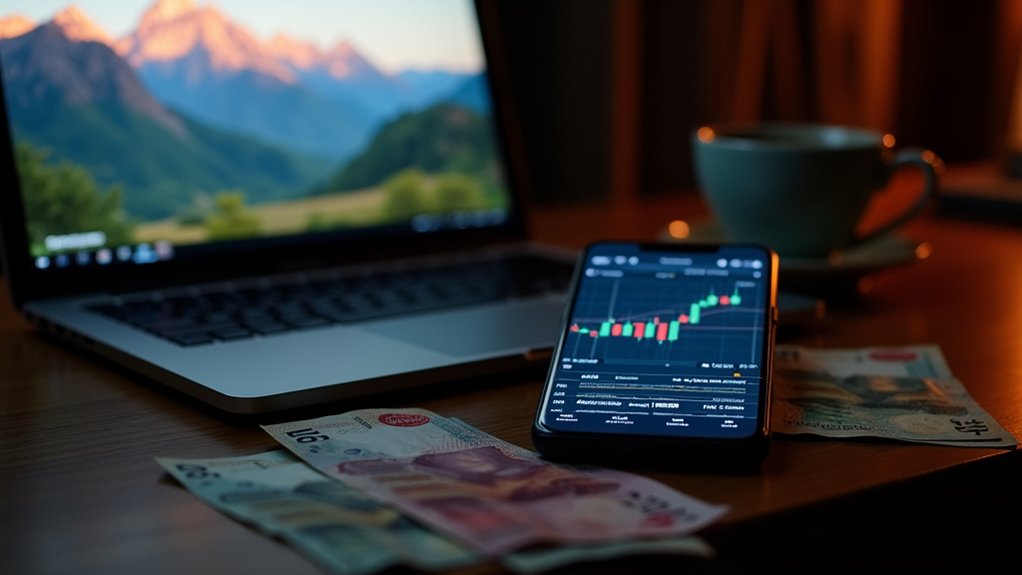
Platform quality separates the serious from the scammers. MetaTrader is standard for good reason. It works. It's stable. Mobile access is non-negotiable because power cuts and connectivity issues are real across the continent. Order execution speed matters too. Slippage can turn a winning trade into a loss real fast.
Product range gives you breathing room. Major pairs like EUR/USD are fine, but access to exotics and commodities like gold or oil? That's where African traders often find better opportunities. Demo accounts let beginners test strategies without risking actual money. Use them.
Education resources show whether a broker actually wants you to succeed or just wants your deposit. Webinars, tutorials, economic calendars. If they're investing in teaching, they're probably not planning to ghost you after signup.
Customer service reveals everything. Try reaching support before you deposit. If they're unresponsive now, imagine dealing with them during a withdrawal dispute. Regulatory oversight protects you from brokers who delay withdrawals indefinitely or refuse to process them altogether. In South Africa specifically, the FSCA licenses and monitors forex brokers to maintain market integrity and ensure trader protection. Multi-language support helps, especially French and Arabic for West and North African traders. Some brokers operate under offshore licenses like the Seychelles FSA, which offers lighter regulatory requirements compared to major financial authorities. Check reviews. Real ones, not the fake garbage plastered on their homepage.
Common Questions
Can I Trade Forex Legally in My African Country?
Most African traders can legally trade forex—it's not banned in the majority of countries.
But here's the catch: regulatory clarity varies wildly. South Africa's got the FSCA keeping things tight. Nigeria operates under CBN and SEC oversight. Kenya's CMA demands proper licensing. Some nations have zero formal framework, leaving traders exposed to dodgy brokers and zero legal recourse. Legal? Usually yes. Protected? That depends entirely on where the trader lives and which regulator, if any, actually watches the market.
Which Brokers Accept Mobile Money Deposits Like M-Pesa or MTN?
Exness, HFM, and CMTrading accept M-Pesa and MTN Mobile Money across multiple African markets.
Saracen Markets handles mobile money in Uganda specifically.
AXI and Pepperstone also support M-Pesa deposits.
Most process transactions within 1-2 hours, which beats waiting days for bank transfers.
Exness holds regulation from CySEC, FCA, and South Africa's FSCA.
HFM adds Airtel Money to the mix.
The minimum deposits stay low—sometimes $10—making entry accessible for traders without traditional bank accounts.
Do I Need a US Dollar Account to Trade Forex?
No. Most brokers serving African traders allow account denominations in USD, EUR, or local currencies like ZAR, NGN, or KES.
The choice depends on what the trader deposits and which pairs they're trading.
Conversion fees hit when depositing in one currency but holding another account type.
South African brokers typically offer ZAR accounts.
Nigerian platforms often support Naira.
Kenyan traders might find KES options.
It's about matching deposit currency to account currency to avoid unnecessary conversion charges eating into capital.
How Do Power Outages and Internet Problems Affect My Trades?
Power cuts and dodgy internet won't auto-close open trades—they sit on the broker's server, not the trader's laptop. But server-side stops and take-profits still trigger.
The problem? Can't open new trades, adjust anything, or bail out manually. Miss a news spike in Nairobi or Lagos during load-shedding, and losses pile up fast.
Automated systems freeze. Stress skyrockets. Across Africa, where electricity and connectivity wobble constantly, this risk isn't theoretical—it's weekly reality for many traders.
Are Offshore Brokers Safer Than Local African Forex Brokers?
No. Offshore brokers are typically riskier than regulated African brokers.
They operate under weaker oversight, which means less fund protection and higher scam potential.
Sure, they dangle high leverage and fat bonuses, but good luck getting your money out when things go sideways.
Local brokers regulated by bodies like South Africa's FSCA or Kenya's CMA offer legal recourse, segregated funds, and actual accountability.
Offshore sounds exotic. It's usually just trouble with better marketing.