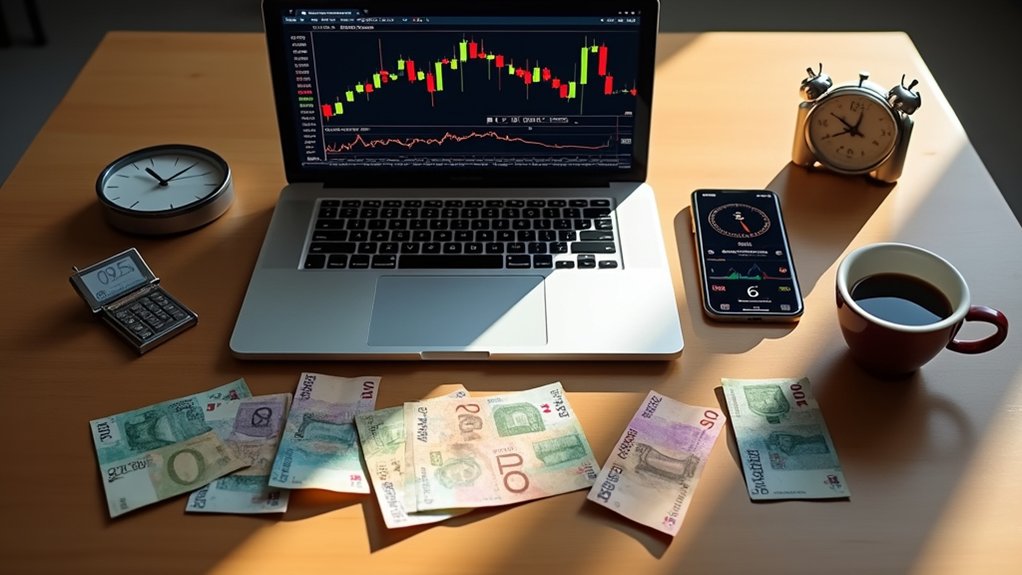

Traders scan an economic calendar to spot scheduled releases—GDP, inflation, employment stats, central bank rate decisions—that slam forex pairs with sudden volatility. High-impact events like a Central Bank of Kenya announcement can spike movement in the shilling, while low-impact releases barely register. The calendar shows expected versus actual figures, letting traders position ahead of data drops or sidestep periods when spreads widen and stops get hunted. It's not magic, just scheduled chaos with a countdown timer. The mechanics below explain exactly which events matter and when to pay attention.

In the chaotic world of African forex trading, where a single GDP release from South Africa can send the rand tumbling or where Nigeria's inflation data can ripple through West African markets faster than WhatsApp news, timing is everything. The economic calendar exists as the trader's first line of defense against getting blindsided by market-moving announcements. It lists scheduled economic events—GDP figures, inflation reports, employment data, central bank decisions—that influence currency prices across the continent and beyond.

These calendars categorize events by impact level. High, medium, low. Color codes or icons make it obvious which releases might trigger significant volatility. A Central Bank of Kenya interest rate decision? That's high impact for the shilling. Ghana's consumer price index? Watch the cedi closely. The calendar covers both international happenings and national releases, affecting single pairs and broader market correlations simultaneously.
Not all economic releases shake markets equally—impact levels tell you which events demand attention and which can be safely ignored.
Traders across Nairobi, Lagos, Cairo, and Johannesburg use these calendars to time entries and exits around specific events. The tools provide countdowns to data releases, critical when markets move in seconds. Historical data sits alongside projections, allowing comparison with actual figures and previous market reactions. Smart traders check the calendar each morning, aligning daily strategies with scheduled events rather than stumbling into trades blindly.
Volatility management becomes possible when upcoming announcements are visible days in advance. Identifying potential spikes before and after critical releases supports proactive decisions about stop-loss and take-profit levels. Nobody wants to hold a position on the Egyptian pound right before an unexpected Central Bank of Egypt statement. Historical patterns help forecast volatility associated with recurring events, while calmer periods between announcements offer stability for traders preferring lower slippage. Advanced platforms now include automated suitability checks that help traders assess whether their risk tolerance aligns with trading around high-impact calendar events. The calendar also helps traders identify liquidity shifts that occur when major economic data hits the markets.
The calendar doubles as an analysis tool. Tracking actual versus expected data reveals market sentiment shifts—opportunities emerge when reality diverges from forecasts. Moroccan unemployment comes in worse than predicted? The dirham reacts. Kenyan GDP beats expectations? The shilling strengthens. These patterns repeat, creating tradeable scenarios for those paying attention. Understanding these scheduled financial events helps traders make informed decisions about currency market movements. The relationship between economic indicators and forex prices becomes clearer when traders systematically observe how specific data releases correlate with currency movements over time. When central bank interest rate announcements appear on the calendar, traders can anticipate heightened forex volatility as monetary policy shifts directly influence currency valuations. This method of evaluating currency values through scheduled data releases forms a cornerstone of fundamental analysis in the foreign exchange market.
Integration into trading plans separates disciplined traders from gamblers. Strategies built around specific, repeatable events become testable and reproducible. Scenario mapping before major releases lets traders anticipate possible directions rather than react in panic. The calendar works best alongside technical and fundamental analysis, not in isolation.
The reality remains stark across African markets: information asymmetry exists, internet connections fail, brokers sometimes lack transparency, and regulatory frameworks vary wildly from Mauritius to Zimbabwe. But the economic calendar levels one playing field—scheduled data releases hit everyone simultaneously. Traders who use it gain an edge. Those who ignore it trade blind.
Common Questions
Which Economic Calendar Shows Central Bank of Nigeria Policy Decisions Accurately?
The Central Bank of Nigeria‘s official website remains the gold standard—period. Everything else is secondhand.
Trading Economics and Investing.com pull MPC decisions fast, usually same-day, and display them cleanly for Nigerian traders. Myfxbook and TipRanks list the meetings too, syncing with CBN releases.
But here's the deal: third-party calendars lag, sometimes by minutes, sometimes hours. For absolute accuracy, go straight to CBN's site. Cross-check if you're paranoid. Media coverage adds color, not facts.
Do African Brokers Adjust Spreads During Major U.S. or European News Releases?
Yes, African brokers routinely adjust spreads during major U.S. and European news releases—usually 10 to 15 minutes before high-impact events like Nonfarm Payrolls or central bank decisions.
Spreads can balloon to several times normal width as liquidity providers pull back to manage risk. Variable spread accounts widen dynamically; even FSCA-regulated brokers in South Africa follow this practice.
It's standard risk management, but it hits trading costs hard and makes tight stops vulnerable to nasty fills.
How Do Power Outages Affect Executing Trades During Scheduled Economic Announcements?
Power outages during NFP or CPI releases? That's a disaster.
African traders lose platform access entirely—can't place, adjust, or close trades while volatility explodes. Stop-losses sit useless, margin calls hit unnoticed, and slippage runs wild.
No internet means no control during the exact moments spreads widen and prices gap.
Backup power and mobile data help, but honestly, many traders just avoid scheduling exposure during major releases—it's the only reliable fix when infrastructure fails.
Are Economic Calendars Available in French for Francophone African Traders?
Yes, they exist. Platforms like Investing.com, DailyFX, and Myfxbook offer French-language economic calendars.
Brokers operating across francophone Africa—XM (Official Site 🔗), FXTM, IG—typically include translated calendars on their French site versions.
The tools cover global markets but sometimes tweak terminology for local use. Filters let traders track CFA franc zones (XOF, XAF) and regional announcements.
It's free, works on mobile, and helps remove the language barrier when interpreting GDP releases or central bank decisions affecting African currencies.
Do South African Rand Events Impact Other African Currency Pairs Significantly?
Yes, and dramatically. The rand isn't just South Africa's problem—it's the continent's volatility engine.
When ZAR crashes or spikes, currencies like the Botswana pula, Namibian dollar, and Swazi lilangeni move in lockstep. Lesotho, Namibia, and Eswatini literally peg to the rand, so they're hostages to Johannesburg's chaos.
Even non-pegged currencies feel the heat during rand shocks. COVID-19 proved it: ZAR tanked, and regional pairs followed like dominoes. South African events ripple across Southern Africa whether traders like it or not.