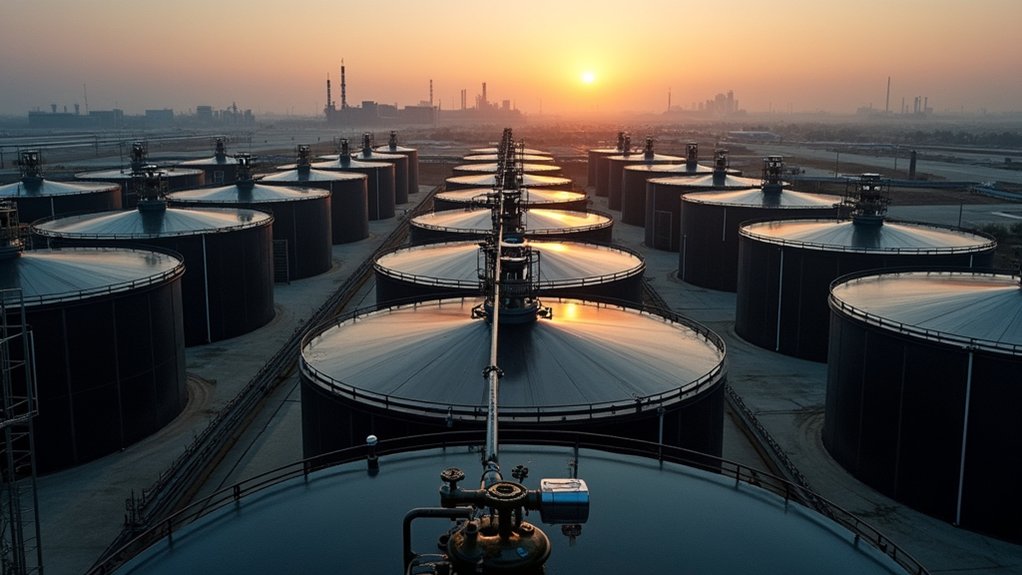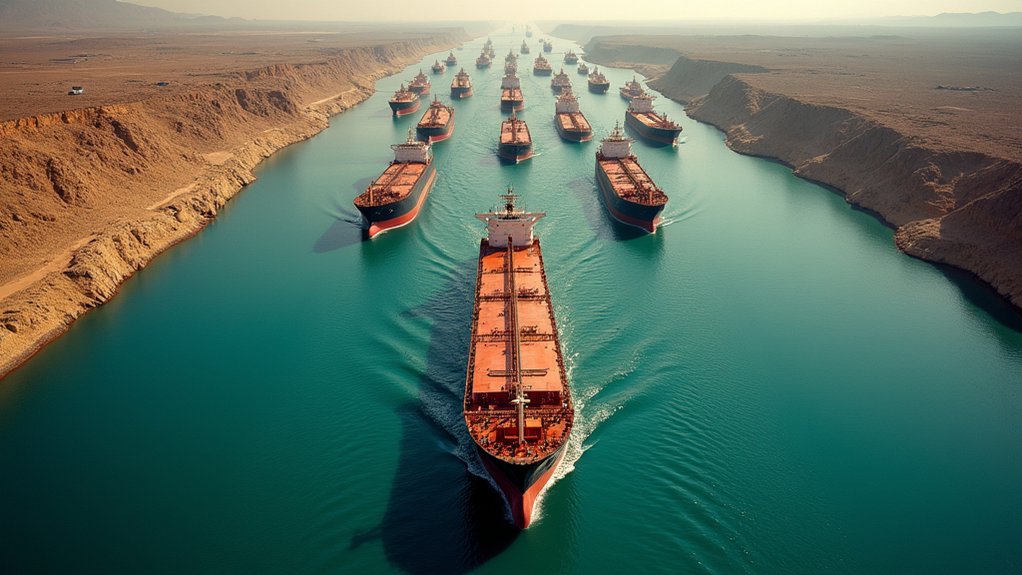

In the narrow waters where one-fifth of the world's oil has to squeeze through, Iran just slammed the door shut. The Strait of Hormuz, which normally handles 20 million barrels per day of crude oil and petroleum products, is now effectively closed. Maritime traffic has dropped 70%. Fifty-five tankers are stuck, loaded or empty, going nowhere.
This isn't theoretical anymore. The IRGC commander didn't mince words: vessels could be set ablaze. Iran warned it would attack any ship attempting passage. And the immediate consequence? Exactly what you'd expect. Oil prices jumped.

A short partial closure in February 2025 caused a 6% spike. Now imagine a month-long shutdown. Analysts say crude hits triple digits. That's not speculation, that's math. One-fifth of global oil production relies solely on this route. So do 33% of the world's fertilizers. And all of Qatar's LNG shipments to Asia.
The ripple effects are already showing up in weird places. Germany saw petrol prices surge to $2.20 per liter in some regions. Belgium's manufacturers are feeling the squeeze. South and Southeast Asia, heavily dependent on energy imports, are getting hit first and hardest. War-risk insurance premiums on tankers spiked immediately. QatarLNG halted production after drone attacks.
Here's the thing about blockades: they don't just affect oil. Diesel, gasoline, jet fuel, all disrupted. Aluminum and sugar can't get through. The daily value of oil and LNG transits exceeds $1.3 billion, and that's now sitting still. Freight costs are climbing. Airspace closures mean higher costs for air freight, tourism, business travel. Even apparel and medical supplies cost more now.
Investors are already running to safe havens like gold and the Swiss franc. Emerging markets in Asia and Africa face weaker trade balances and currency pressure. Rising energy prices historically presage economic downturns. Higher inflation is basically guaranteed at this point. Central banks watching this crisis will likely respond with interest rate decisions that could further accelerate currency market volatility across major trading pairs. The BIS Triennial FX Survey tracks how geopolitical shocks like this disrupt foreign exchange market activity and trading volumes across major currencies. The ability to quickly buy or sell currency pairs, known as forex liquidity, becomes crucial during such crises as traders seek to hedge against rapid exchange rate movements.
The US, as the world's largest oil producer, is less vulnerable than in 1979. Small comfort. Because when one-fifth of global consumption can't move, everyone pays. The question isn't if the global economy can survive this. It's how much damage gets done first.