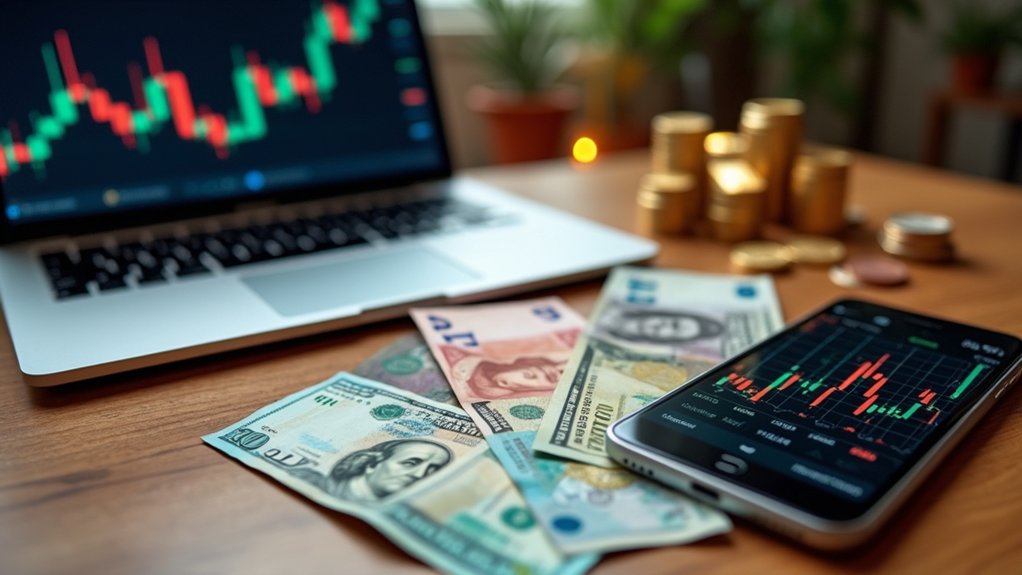
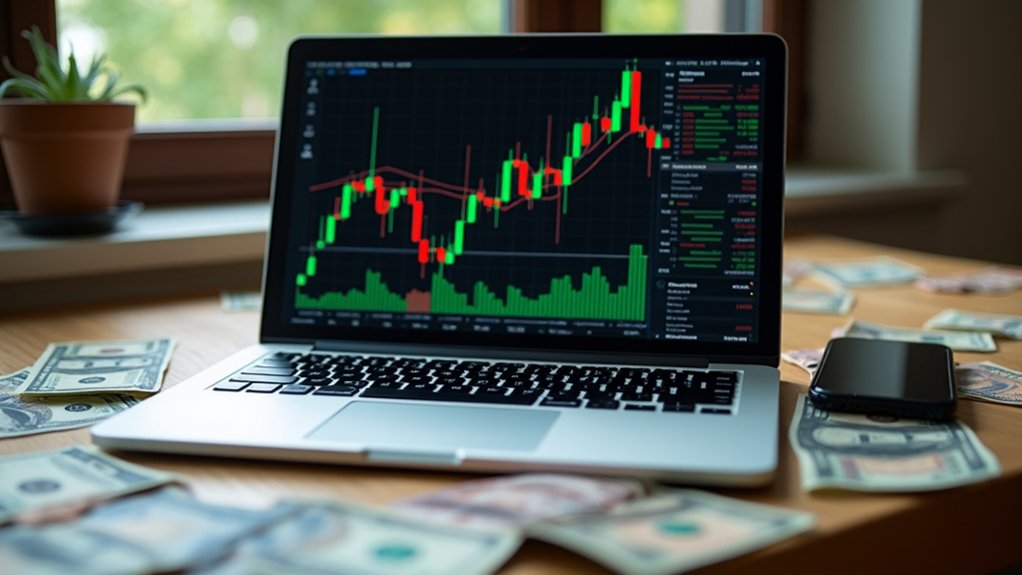
People trade forex because it's open 24/5, accepts tiny deposits, and lets anyone with a phone speculate on currency moves without formal credentials. Profits come from buying low and selling high—or vice versa—across pairs like EUR/USD, amplified by leverage that can turn $100 into control of $5,000. The same leverage wipes out accounts fast when trades go south. High liquidity means instant entries and exits, but volatility cuts both ways. Understanding the mechanics separates those who compound gains from those who flame out in days.

Across Nigeria, Kenya, South Africa, and dozens of other African nations, millions of people are opening forex trading accounts with dreams of financial freedom dancing in their heads. The appeal is obvious. The forex market runs 24 hours a day, five days a week, which means a trader in Accra can trade at midnight, a nurse in Nairobi can check positions during lunch, and someone in Cairo can scalp the London session before breakfast. It never stops. It never sleeps.

The forex market never closes, giving African traders from Lagos to Cairo constant access to opportunity around the clock.
Entry costs are laughably low compared to other markets. Some brokers targeting African traders accept deposits as small as $20 to $100. No need for a finance degree from the University of Lagos or fancy credentials from Cairo University. Just a phone, internet, and ambition. Demo accounts let beginners practice without risking a single shilling, naira, or rand. The barriers that keep ordinary Africans out of real estate or stock exchanges simply don't exist here.
Liquidity is another massive draw. Forex churns through $7.5 trillion daily, making it the most liquid market on the planet. That volume means traders can enter and exit positions fast, with tight spreads and minimal slippage. Whether you're trading $50 or $5,000, the market doesn't care. Prices remain fair because participation is global and constant.
Profits can be made whether currencies rise or fall. Buy low, sell high. Or sell high, buy low. The flexibility is real. Scalpers chase quick pips. Swing traders hold for days. Position traders wait weeks. Volatility creates opportunities constantly, though it also breeds risk. No caps exist on daily trades or potential profits, which sounds incredible until leverage enters the conversation. Unlimited trades per day mean profits and losses can compound rapidly within a single session.
Leverage is the double-edged sword African traders either worship or regret. Ratios like 50:1 or higher let someone control large positions with modest capital. A Ugandan trader with $100 can control $5,000 worth of currency. When trades go right, returns feel magical. When they go wrong, accounts vanish faster than airtime on a bad network. Stop-loss orders help limit potential losses by automatically closing positions when prices hit predetermined levels. Understanding fundamental concepts like leverage, margin, and risk management separates surviving traders from those who blow their accounts in weeks.
The forex market is decentralized. No single entity controls it. Banks, corporations, governments, and millions of individual traders worldwide determine pricing. Central banks influence currency values through monetary policy decisions and interventions that can shift entire markets overnight. Manipulation is tough with that much volume and that many participants. Transparency is decent, though regulatory oversight varies wildly depending on which broker an Angolan or Ghanaian chooses. This global, decentralized marketplace operates without a central exchange, allowing participants from every continent to trade directly with one another. Currency pairs are always traded in twos, with one currency's value expressed relative to another.
Transaction costs stay low. Most brokers charge only the bid-ask spread, no commissions. No exchange fees. No platform fees just for existing. Traders gain access to diverse opportunities across major, minor, and exotic currency pairs from every corner of the world. It all sounds too good. And sometimes, it is.
Common Questions
Can I Trade Forex Legally in Nigeria Without CBN Restrictions?
Yes, retail forex trading is legal in Nigeria. No law bans individuals from trading.
But here's the catch: the CBN doesn't regulate online retail forex platforms. Zero protection if things go south.
The CBN's new FX Code targets banks and authorized dealers, not individual traders clicking buttons at home.
Want safety? The CBN says stick with registered Nigerian brokers. Foreign platforms? Legal, but you're on your own if disputes arise.
Which Brokers Accept Mobile Money Deposits From East African Traders?
Exness, HFM, and TIOmarkets top the list for East African traders using mobile money. They accept M-Pesa, MTN Mobile Money, and Airtel Money—no bank account needed.
FXPesa caters specifically to Kenyans.
Saracen Markets handles Ugandan mobile money.
Deposits hit accounts within hours, sometimes instantly.
Minimums start ridiculously low, often $1 or less.
Tigo Pesa works in Tanzania through select brokers.
These platforms let traders fund accounts straight from their phones, dodging traditional banking headaches entirely.
How Do South African Rand Fluctuations Affect Cross-Border Trading Profits?
Rand swings hit profits hard.
When USD/ZAR jumped between 17.15 and 19.76 in 2025, South African exporters and importers scrambled. A stronger rand—like the 8.5% gain from April to October—crushed export margins as foreign buyers paid more in their currency. Importers celebrated cheaper goods.
Timing matters: payment delays mean settling at worse rates, eating cash flow. Hedging with forwards became survival, not strategy. Volatility scared off investors, shortened contracts, and forced constant recalculation of what “profit” even means.
Do Egyptian Traders Face Withdrawal Problems With International Forex Brokers?
Egyptian traders don't face systemic withdrawal blocks, but they hit bumps.
International brokers like Fusion Markets and Exness serve Egypt without local registration, so there's no Egyptian regulator watching your back.
Withdrawals often work fine—bank transfers, e-wallets, cards—but profit withdrawals can trigger extra verification, slow processing, or surprise fees ($10–$25).
The Egyptian pound's chaos and currency shortages occasionally gum up transfers.
Most issues? Confusion, delays, inconsistent policies. Not scams, just friction.
What Minimum Capital Do Kenyan Beginners Need to Start Trading Profitably?
Kenyan brokers accept minimums around KES 5,000 to 10,000—that's $35 to $70.
International platforms often want $100 or more.
But here's the kicker: starting with the bare minimum usually doesn't cut it. Market swings eat through tiny accounts fast. Leverage pumps up position size, sure, but it also amplifies losses.
Most beginners with threadbare capital struggle to survive volatility, let alone turn consistent profits. Capital Requirements matter more than the legal minimum suggests.