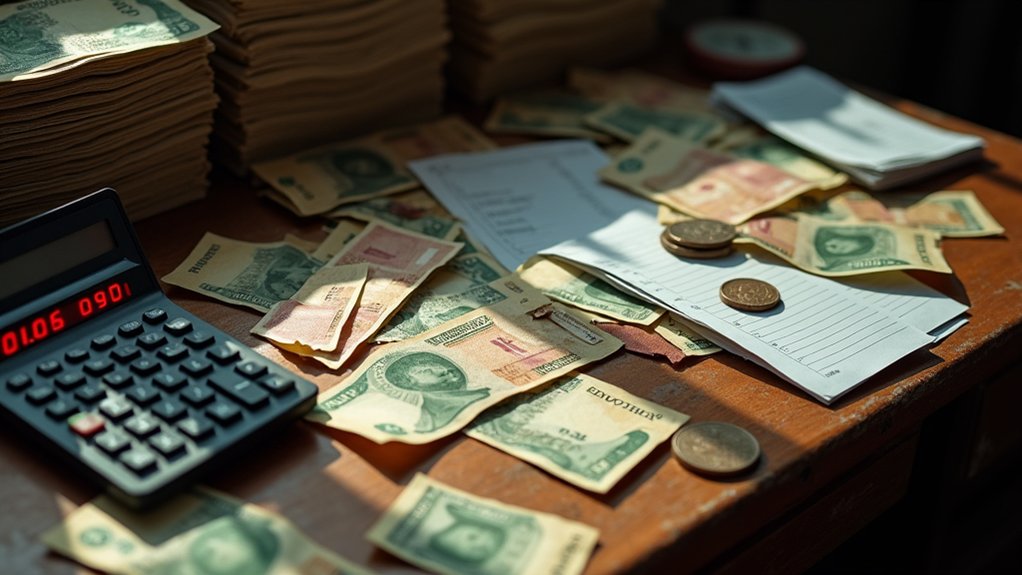

In a move that sent shivers through Uganda's banking sector, the Bank of Uganda just cranked the Cash Reserve Ratio from 9.5% to 11%—yanking roughly Ush4.84 trillion (about $1.27 billion) out of the interbank market. This is one of the most aggressive liquidity squeezes in recent memory, and the timing tells you everything. Middle East tensions involving the US, Iran, and Israel have kicked off another round of oil market chaos, and Uganda is feeling it hard.
Bank of Uganda's brutal 11% reserve ratio hike just drained $1.27 billion from the system—a defensive crouch against oil-fueled currency chaos.
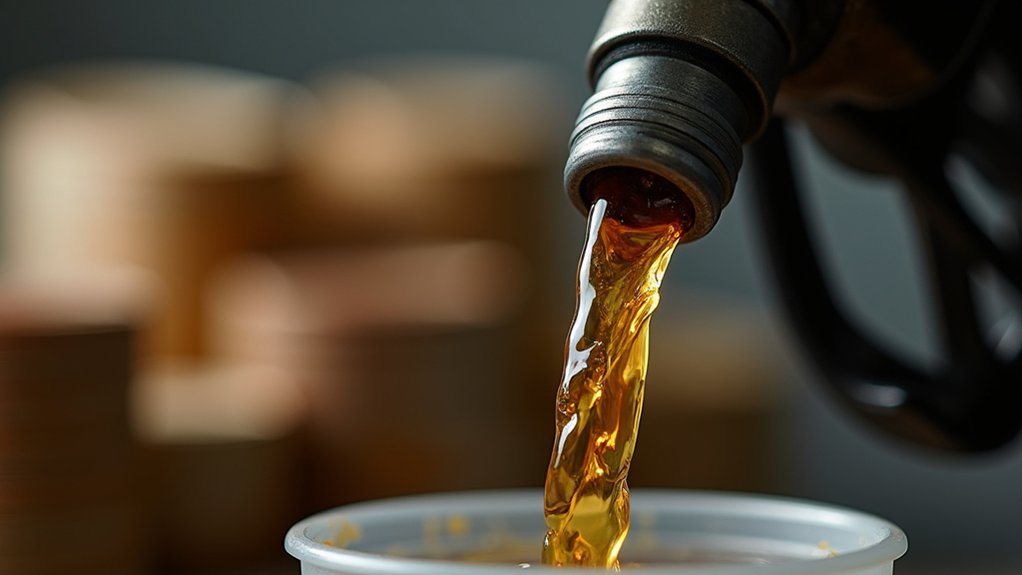
Pump prices in Kampala are hovering around Ush5,000 to Ush6,000 per litre for petrol—that's roughly $1.30 to $1.60. Drive upcountry to places like Moyo Town and you're looking at similar pain, sometimes hitting Ush6,000. But the real gut punch? Remote spots like the Kalangala islands are seeing prices rocket to about Ush8,000 per litre. That's not a typo.

Here's the problem: Uganda imports all its fuel. Every barrel. So when geopolitical fires flare up and global shipping routes get sketchy, those costs slam straight into local pumps. OPEC's production cuts back in 2020—slashing output by around 10 million barrels per day—set the stage for a structurally tight oil market. Then came the post-COVID energy crisis, and now Middle East flare-ups are throwing fuel on the fire, literally.
The Bank of Uganda's response is straightforward if painful. By freezing up interbank liquidity, they're trying to stabilize the shilling, curb forex speculation, and keep imported inflation from spiraling. Because here's the ugly reality: a rising fuel import bill means surging demand for dollars, which puts downward pressure on the shilling. Uganda's foreign reserves aren't exactly overflowing, so direct currency defense is limited. Central banks facing similar external shocks often deploy monetary policy tools like reserve requirements and open market operations to absorb excess liquidity and defend their currencies.
BoU framed the cash squeeze as a “pre-emptive macro-stability measure.” Translation: brace for impact. Between June 2021 and January 2022, fuel prices jumped over UGX 1,000 per litre. By July 2022, diesel was up 71.5% year-on-year and petrol 56.1%. This isn't a blip. It's structural vulnerability laid bare, and the liquidity clampdown is Uganda's way of battening down the hatches while global energy markets stay wild. The central bank's tightening measures mirror how interest rate decisions across major economies influence exchange rate volatility and capital flows in emerging markets facing external shocks. Like other central banks navigating currency pressures, BoU's interventions aim to manage FX market dynamics without burning through limited dollar reserves.