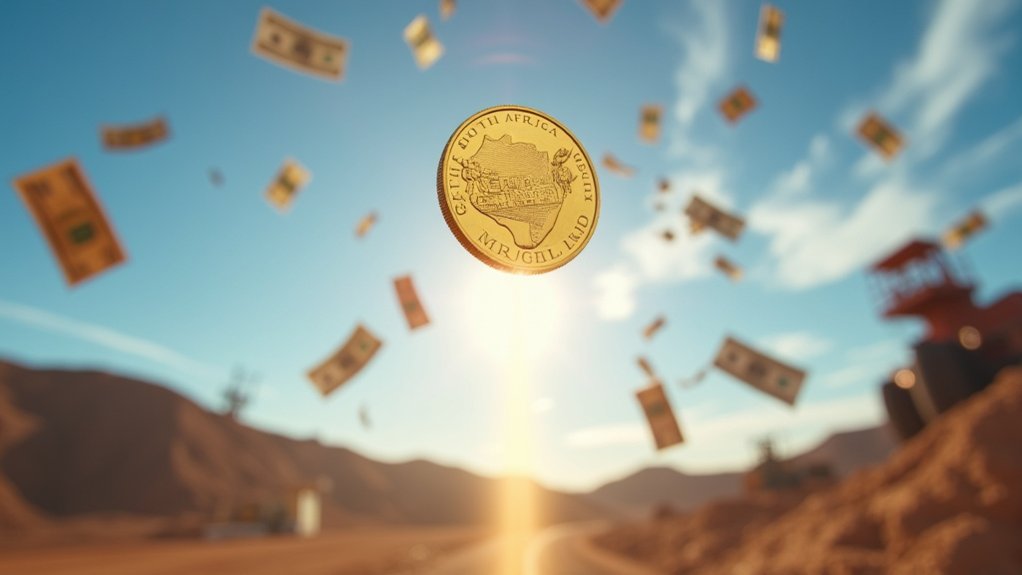

The South African rand surged more than 11% against the US dollar in 2025, riding a wave of momentum that had barely anything to do with domestic heroics and everything to do with lucky timing. The currency hit its strongest level since August 2022, trading around 16.3 to 16.5 per dollar. Not bad for a country that spent years synonymous with load-shedding and fiscal drift.
The real story? Gold went nuts. A global commodity boom sent precious metals soaring, and suddenly South Africa's export receipts looked healthy. Geopolitical tensions pushed safe-haven flows into gold, and investors remembered that South Africa actually digs the stuff out of the ground. Mining revenues improved the current account, reducing external vulnerability. The commodity narrative did heavy lifting.

Then came the Federal Reserve. The US central bank kicked off a rate-cut cycle, weakening the dollar and handing emerging markets a gift. USD/ZAR tumbled as yield differentials widened in South Africa's favor. Markets started selling dollar rallies, reinforcing rand strength. Over twelve months, the rand gained 10 to 13 percent against the greenback. The Fed's pivot mattered more than anything happening in Pretoria.
Domestically, things weren't a disaster for once. Inflation cooled to around 3.5 percent year-on-year, near the lower end of the target band. Producer prices stayed contained at 2.9 percent. Private credit growth hit the highest level since 2023, suggesting recovering confidence. Better power supply and infrastructure investment reduced load-shedding fears. South Africa's 10-year bond yield slid to multi-year lows as risk premia compressed.
Fiscal consolidation helped too. State finances improved, and markets rewarded the commitment to reforms. The South African Reserve Bank maintained credible monetary policy, anchoring inflation expectations. SARB's monetary policy decisions played a crucial role in stabilizing the rand and preventing excessive volatility in the foreign exchange market. Sovereign risk perceptions shifted enough to attract foreign inflows.
Global risk-on sentiment sealed the deal. With volatility low and liquidity abundant, carry trades into high-yielding emerging markets became fashionable again. South Africa's relatively high real interest rates looked attractive. As an emerging market currency, the rand's liquidity and trading volume increased substantially during the rally period. The rand benefited from forces largely beyond its control. Timing, commodities, and a weaker dollar. Traders monitoring the USD/ZAR currency pair in forex markets witnessed one of the most significant emerging market rallies of the year. Sometimes that's all you need.